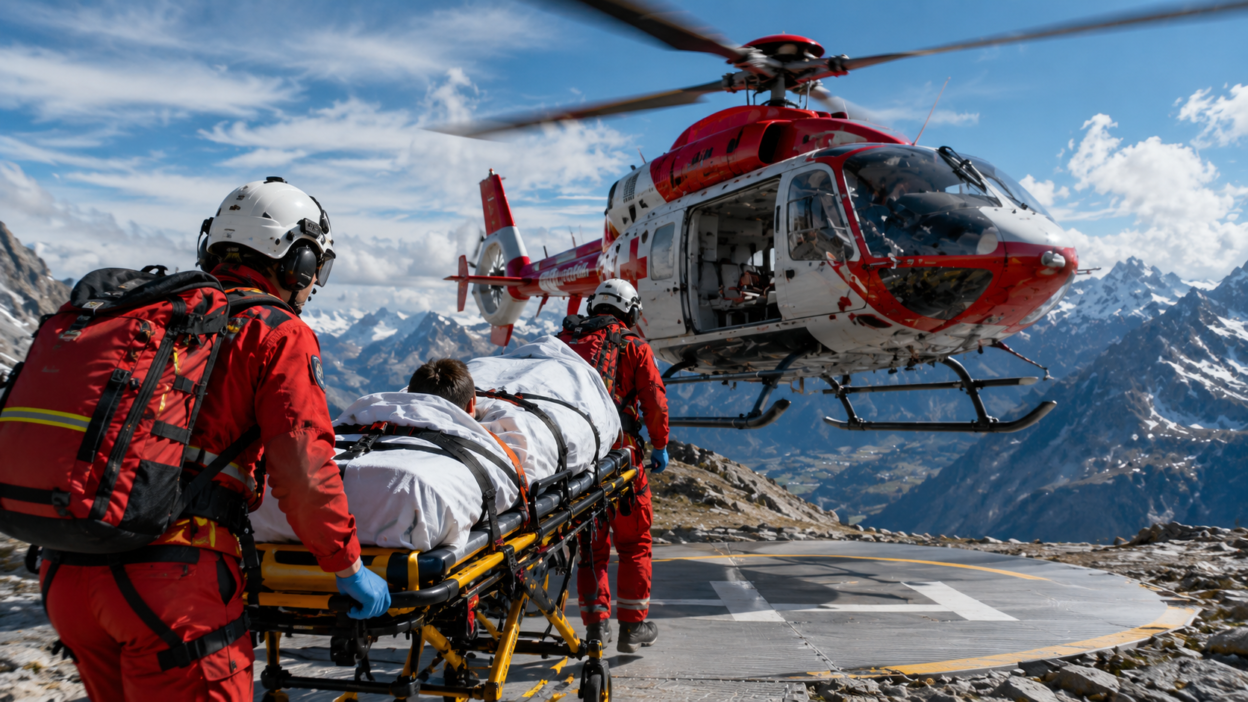
Traveling can be an exhilarating adventure, offering opportunities to explore new cultures and landscapes. However, it also comes with its own set of risks. One unforeseen situation, such as a sudden medical emergency, can turn a dream vacation into a daunting challenge. This is where Emergency Medical Evacuation Insurance plays a crucial role. Understanding this insurance can provide peace of mind, allowing you to focus on your journey rather than potential pitfalls. Therefore, having reliable coverage can be a game changer, especially if you find yourself in a remote location with limited access to healthcare. Here, we delve into nine critical facts that every traveler should consider regarding this vital insurance, ensuring you are well-prepared for anything life may throw your way.
Key Points
- The insurance covers transportation to the nearest suitable medical facility.
- It can be crucial in remote areas where medical services are limited.
- Some policies include repatriation of remains in case of death.
- Pre-existing conditions may not be covered by all plans.
- Costs can vary significantly depending on the coverage details.
- Reviewing policy limitations is essential to ensure adequacy.
- It works best when bundled with a comprehensive travel insurance plan.
- Emergency contact numbers should always be readily available.
- Researching reliable insurance providers is critical before purchasing.
Related content:
Small Business Health Insurance: 9 Essential Decisions for Employers
Understanding Emergency Medical Evacuation Insurance: What It Covers
Emergency Medical Evacuation Insurance is designed to safeguard travellers by providing necessary support during medical emergencies. While it can cover a range of services, there are certain aspects that require careful consideration. This insurance typically includes:
- Transport to the nearest medical facility: In case of severe illness or injury, this coverage ensures you receive timely care.
- Repatriation: If treatment is unavailable, you may be transported back to your home country for appropriate care.
- Additional travel expenses: Some policies may cover costs related to accommodations or logistics for a travelling companion.
However, it’s important to note that conditions and exclusions can vary significantly between providers. Hence, understanding the fine print is essential before purchasing a policy. While Emergency Medical Evacuation Insurance generally offers robust protections, always ask questions to ensure that you’re fully informed about what is included—or not included—within your coverage.
Why Every Traveler Needs Emergency Medical Evacuation Insurance
Traveling abroad offers wonderful experiences, yet unforeseen events can turn a dream trip into a nightmare. This is where Emergency Medical Evacuation Insurance becomes crucial. Imagine finding yourself in a remote location, far from adequate medical facilities, after an unfortunate accident. Without this insurance, the cost of airlifting you to a proper hospital can be staggering, potentially reaching tens of thousands of pounds.
However, many travelers overlook this vital safeguard, often underestimating the risks involved in their journeys. Therefore, investing in Emergency Medical Evacuation Insurance isn’t just a precaution; it’s an essential aspect of responsible travel. It provides peace of mind, knowing that you have support in urgent situations. Additionally, with policies covering various scenarios, there’s a good chance of finding one that fits your travel plans. Ultimately, every traveler should weigh the necessity of Emergency Medical Evacuation Insurance against the unpredictable nature of travel.
Key Differences Between Standard Travel Insurance and Emergency Medical Evacuation Coverage
When planning a trip, understanding the nuances between standard travel insurance and Emergency Medical Evacuation Insurance is crucial. Standard travel insurance typically covers trip cancellations, lost luggage, and minor medical issues. However, it may not address severe emergencies that can occur abroad. In contrast, Emergency Medical Evacuation Insurance is specifically designed to transport individuals to appropriate medical facilities, especially in remote areas where local healthcare may be inadequate.
Emergency evacuation becomes essential during catastrophic incidents, such as natural disasters or severe accidents, where immediate medical attention surpasses local resources. The decision on which type of coverage to choose largely depends on your travel destination and activities planned. Therefore, while standard policies guard against common travel disruptions, Emergency Medical Evacuation Insurance serves as a vital safety net for serious health crises, ensuring timely and appropriate care when it matters most.
How Much Does Emergency Medical Evacuation Insurance Cost?
The cost of Emergency Medical Evacuation Insurance can vary widely depending on several factors. Typically, premiums range from £25 to £150 for a single trip, but this can differ based on your age, health status, and the specific coverage limits you select. Some providers even offer annual policies that might seem more economical for frequent travellers.
Moreover, the destination plays a significant role; regions with higher medical expenses or remote locations could inflate costs. Therefore, it’s wise to compare options and consider any existing health insurance policies that might offer partial coverage.
When weighing your choices, it may be helpful to assess:
- Coverage limits: Understanding what is included in the policy.
- Exclusions: Identifying any scenarios where the policy may not apply.
- Provider reputation: Researching the company’s track record in handling claims effectively.
In conclusion, investing in Emergency Medical Evacuation Insurance could be invaluable, especially since you may not fully realise the risks involved when travelling.
Ultimately, the peace of mind it offers, should any emergencies arise, is irreplaceable—even if the price tag is still somewhat uncertain.
Situations That Necessitate Emergency Medical Evacuation Insurance
Traveling, whether for business or leisure, presents certain inherent risks. Understanding when to consider Emergency Medical Evacuation Insurance is crucial. For instance, visiting remote areas or engaging in adventure sports can significantly increase your vulnerability to unexpected medical emergencies. In such cases, immediate access to transport for proper treatment becomes essential.
Additionally, if you plan to travel to regions with limited healthcare facilities, the need for Emergency Medical Evacuation Insurance can become even more pronounced. Consider situations where natural disasters may disrupt local medical services, leaving travellers stranded. However, it is not just about physical injuries; there are instances of sudden illnesses, which may necessitate evacuation to a facility equipped to handle serious medical conditions. Consequently, having this insurance serves as a safety net, ensuring timely medical assistance when it truly matters. Trusting your safety to the unexpected can be risky, and being prepared is always wise.
Ultimately, having Emergency Medical Evacuation Insurance can provide peace of mind, enabling you to focus on your journey rather than potential mishaps.
The Process of Claiming Emergency Medical Evacuation Benefits
Claiming benefits under your Emergency Medical Evacuation Insurance policy can sometimes feel intimidating, yet following a clear process helps ease this burden. Initially, it’s crucial to gather all relevant documentation. This includes copies of your medical records, communication with healthcare providers, and any incident reports. Next, contact your insurance provider to notify them of your situation, as many policies require immediate reporting.
Submitting a claim usually requires filling out specific forms provided by your insurer. Ensure that you provide comprehensive details, as incomplete submissions can delay the process. One might think that approval is straightforward; however, the complexity of each case can vary significantly.
“Insurance claims can often resemble a puzzle—each piece must fit just right to reveal the bigger picture.”
Consequently, if your claim is denied, don’t lose heart. Many insurers offer an appeals process, which allows you to present additional evidence or clarify misunderstandings. Therefore, remain proactive and informed throughout.
Choosing the Right Emergency Medical Evacuation Insurance Provider
When considering Emergency Medical Evacuation Insurance, selecting the right provider can be a daunting task. Different companies offer varied levels of coverage, which makes it essential to assess your specific needs. Start by examining the scope of coverage: does it include air transport, ground ambulance, or repatriation services? Additionally, check for any exclusions that may apply.
It’s also wise to evaluate customer reviews and ratings. Look for providers with a strong reputation for reliability and prompt service. Ask yourself: how swiftly can they respond during off-hours, or what support options do they provide abroad?
Ultimately, weighing these factors can help you make an informed choice. Consider the following:
- Coverage Options: Ensure comprehensive coverage tailored to your travel plans.
- Reputation: Research reviews and testimonials from previous clients.
- Service Speed: Assess how quickly and effectively they can act in emergencies.
Choosing the right Emergency Medical Evacuation Insurance provider often hinges on these considerations, ensuring peace of mind during your travels.
Real-Life Examples: When Emergency Medical Evacuation Insurance Saved Lives
Emergency Medical Evacuation Insurance has proven invaluable in various critical situations, often making the difference between life and death. For instance, consider a hiker who suffered severe injuries after a fall in a remote area. Local emergency services were unable to reach him quickly due to the challenging terrain. Fortunately, his Emergency Medical Evacuation Insurance allowed for an urgent airlift to the nearest hospital, enabling timely medical intervention.
In another case, a tourist in a developing country experienced a sudden health crisis. The roads were unsafe, and time was of the essence. Thanks to their comprehensive Emergency Medical Evacuation Insurance, they were transported to a facility equipped to handle their emergency. Without such coverage, both individuals might have faced severe complications or worse outcomes. This highlights the essential role that Emergency Medical Evacuation Insurance can play in crisis situations, proving invaluable for travelers and adventurers alike.
Tips for Planning Ahead: Ensuring You’re Covered Before Your Next Adventure
Adventure awaits, but planning ahead is crucial for a smooth experience. Firstly, assess the destination. Some places may pose unusual risks; hence, understanding these factors can prepare you better. In addition to traditional travel insurance, consider investing in Emergency Medical Evacuation Insurance. This specialized coverage offers peace of mind should unexpected health issues arise far from home. Ensure you thoroughly read the policy details to avoid any unpleasant surprises later.
Furthermore, create a checklist of essential documents, from your passport to vaccination records. Verify your health insurance’s international validity, as some plans do not cover overseas emergencies. Consequently, a failure to check this might lead to high out-of-pocket expenses. Before you travel, have a conversation with your insurer about Emergency Medical Evacuation Insurance options that suit your adventures, allowing you to travel confidently. Finally, always stay informed about local healthcare facilities at your destination.
Conclusion
In closing, it’s clear that having Emergency Medical Evacuation Insurance is an essential safeguard for any traveller. This type of coverage not only offers peace of mind but also provides critical support in times of unexpected health crises. By ensuring access to medical facilities and evacuation services, you can focus on enjoying your adventures without the looming worry of potential emergencies. Therefore, investing in this insurance is a wise decision for anyone looking to protect their well-being and financial interests while exploring the world. Considering the unpredictability of life, it’s a step worth taking for a safer journey.
Frequently Asked Questions
What is emergency medical evacuation insurance?
Emergency medical evacuation insurance is a type of coverage that pays for transportation to the nearest medical facility in case of a medical emergency while you are travelling.
Why do I need emergency medical evacuation insurance?
This insurance is essential because it can help cover the high costs associated with airlifting a patient to a hospital, which can be significant in remote areas or foreign countries.
Does my standard health insurance cover emergency medical evacuations?
In most cases, standard health insurance policies do not cover emergency medical evacuations, especially when travelling internationally. It’s crucial to check your policy or consider supplemental coverage.
What situations typically require emergency medical evacuation?
Emergency medical evacuations are usually needed in cases of severe injury, acute illness, or when advanced medical care is unavailable at the location.
How much does emergency medical evacuation insurance cost?
The cost can vary based on several factors, including your age, health, travel destination, and duration of travel, but it typically ranges from a few dollars to hundreds per trip.
Can I purchase emergency medical evacuation insurance for a specific trip?
Yes, you can purchase emergency medical evacuation insurance for a specific trip, and there are also options for annual plans that cover multiple trips.
How do I file a claim for emergency medical evacuation?
To file a claim, contact your insurance provider as soon as possible after the evacuation, and provide necessary documentation, such as medical records and receipts for expenses incurred.
Are there any exclusions to emergency medical evacuation insurance?
Yes, common exclusions include pre-existing medical conditions, injuries sustained while engaging in high-risk activities, and failure to seek medical treatment promptly.
Can emergency medical evacuation insurance cover repatriation?
Many policies include repatriation coverage, which means they will help organise and pay for your return to your home country after a medical emergency, but it’s important to verify this with your provider.
How do I choose the right emergency medical evacuation insurance policy?
When choosing a policy, compare coverage limits, exclusions, cost, and customer reviews to ensure the plan meets your specific needs while travelling.