
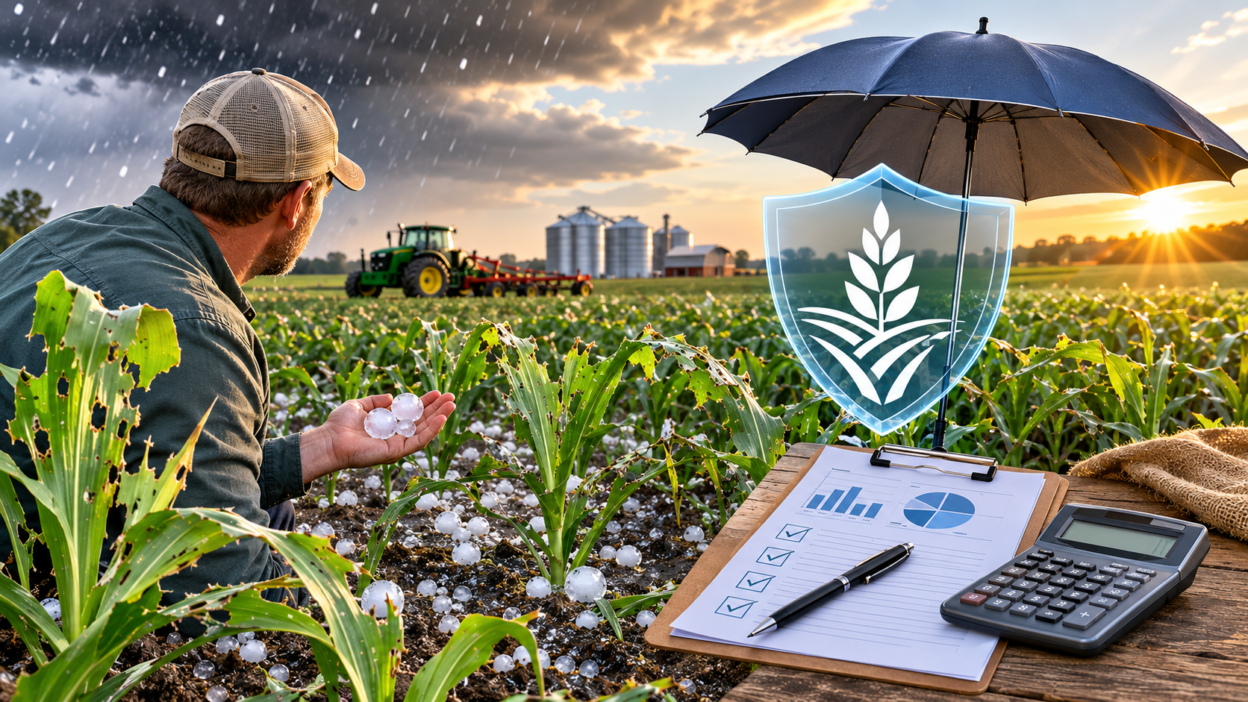
For farmers, facing unpredictable weather patterns is an ongoing challenge, and when it comes to protecting their livelihoods, having a reliable strategy is essential. One key component of this strategy is Crop Hail Insurance, a tool designed to safeguard against the financial losses caused by hail damage. However, understanding the ins and outs of such insurance can be complex. Therefore, it’s crucial for farmers to ask the right questions before making a decision. This article will guide you through seven intelligent inquiries that can help you navigate the world of crop insurance, ensuring you are well-informed and prepared for unforeseen circumstances. By engaging with these questions, you can secure the coverage that best suits your needs and protects your investment.
Key Points
- Understand the coverage options available under Crop Hail Insurance.
- Determine the right level of deductible for your farm’s needs.
- Ask about the claims process and documentation requirements.
- Inquire how hail policies integrate with other types of insurance.
- Evaluate the financial stability of the insurance provider.
- Find out how premiums are calculated and paid.
- Discuss any exclusions or limitations within the policy.
Related content:
What Is Agricultural Insurance and How Does It Work?
Understanding the Basics: What is Crop Hail Insurance and How Does It Work?
Crop Hail Insurance is a specialized insurance product designed to protect farmers against financial losses due to hail damage to their crops. Unlike standard farm insurance, which may cover a range of perils, Crop Hail Insurance focuses specifically on hail-related incidents. This type of coverage can be crucial for growers, especially in regions prone to severe weather.
Understanding how Crop Hail Insurance functions is essential for making informed decisions. Typically, farmers can choose from various coverage options based on their needs and budget. Once a policy is in place, the indemnity is calculated based on the extent of the damage, assessed shortly after the event occurs. In this way, farmers can better manage unexpected financial setbacks and maintain their livelihoods.
- Policy Types: Different levels of coverage are available to suit specific crop types and risk levels.
- Claims Process: Understanding how to file a claim is vital for prompt compensation.
- Premium Costs: Factors such as crop value and vulnerability to hail can influence insurance costs.
You can also check these out.:
7 Things Crop Hail Insurance Covers (And 3 Things It Doesn’t)
Identifying Coverage Options: What Specific Damages Does Crop Hail Insurance Address?
Understanding what Crop Hail Insurance covers is crucial for farmers seeking financial security against unforeseen weather challenges. This type of insurance primarily addresses damages from hailstorms, which can cause significant harm to crops in a matter of minutes. However, it’s important to note that coverage may not extend to all types of weather-related incidents. For instance, while hail damage is explicitly covered, losses incurred from drought or flooding often fall outside its scope.
Additionally, Crop Hail Insurance may also include provisions for other perils, such as fire or vandalism, depending on the policy specifics. Yet, the nuances of each plan can lead to ambiguities that farmers must navigate carefully. Therefore, reviewing the policy details is essential to ensure adequate protection against the most likely risks to your crop investment. Ultimately, informed choices will help mitigate potential losses in a challenging climate.
Evaluating Your Needs: How to Determine the Right Amount of Coverage for Your Crops
Assessing your coverage needs for crops can be a complex task. Start by considering factors such as the varying climatic conditions and the specific types of crops you cultivate. Crop Hail Insurance can provide a safety net against unexpected weather events, but its adequacy often depends on the scale of your farm and the potential losses in your area. Calculate projected yields, understand your financial thresholds, and evaluate historical weather data to make informed decisions.
Furthermore, it’s wise to consult local agricultural experts or insurance agents who can offer insights into local risks. They can help you gauge whether the standard policies will suffice or if additional coverage might be necessary. Ultimately, determining the right amount of coverage requires balancing the cost of premiums against the risk of loss, which can be challenging yet essential for your peace of mind. Don’t hesitate to revisit these assessments regularly as conditions change.
Cost Considerations: What Factors Influence the Premiums of Crop Hail Insurance?
Understanding the factors that influence the premiums of Crop Hail Insurance is crucial for farmers seeking to protect their livelihoods. Several elements come into play, each contributing to the overall cost.
- Location: Geography impacts weather patterns significantly, thus affecting risk levels. Regions prone to hailstorms typically face higher premiums.
- Crop Type: Some crops are more vulnerable to hail damage than others, leading to varying insurance rates.
- Coverage Level: The extent of coverage desired plays a vital role; comprehensive plans often come with increased costs.
Additionally, the historical data on hail occurrences can create a layered understanding of risks. Therefore, assessing local climate trends, as well as considering the specific characteristics of the farm itself, becomes essential. Moreover, farmers may encounter fluctuations in pricing based on market conditions. Hence, exploring multiple options in Crop Hail Insurance is advisable to ensure the best fit for both risks and budgets.
Ultimately, while it may seem daunting, grasping these elements can empower farmers to make informed decisions regarding their insurance needs, particularly with Crop Hail Insurance.
Claims Process Simplified: What Steps Should Farmers Follow When Filing a Claim?
Filing a claim for Crop Hail Insurance can seem daunting, but a straightforward process allows farmers to navigate this efficiently. Firstly, assess the damage and document everything meticulously—photos and written notes can prove invaluable. Next, contact your insurance provider promptly; they typically have specific timelines for reporting claims. During this initial conversation, be prepared to provide details about the affected crops and the extent of the damage.
After filing, an adjuster will likely visit your farm to evaluate the situation. It’s essential to keep communication lines open throughout this period. Finally, ensure you gather all required documentation and stay informed about the progress of your claim. Although this process can be complex and time-consuming, following these steps can significantly streamline your experience with Crop Hail Insurance. Remember, patience is key, as the approval timeline may vary. In the end, your diligence will pay off.
Conclusion
Ultimately, understanding the claims process can lead to a smoother experience and help mitigate losses from unfortunate weather events. Seeking assistance from your insurance agent can provide clarity.
Finding the Right Provider: How to Choose a Trustworthy Crop Hail Insurance Supplier?
Choosing a reliable supplier for Crop Hail Insurance can be more complex than it initially seems. Start by assessing potential providers’ reputations; customer reviews and industry ratings often reveal valuable insights. Consequently, seek companies with a proven track record in agriculture-related insurance. Additionally, consider their financial stability, which is crucial for ensuring they can pay out claims when necessary.
It’s also wise to understand the specifics of the policy being offered. Does it cover all risks associated with hail damage? Furthermore, customer service is key; you want a provider who is responsive and supportive, especially during stressful times.
“The right insurance partner can make all the difference in a crisis.”
Ultimately, balancing coverage options, pricing, and service quality helps you make a more informed decision about your Crop Hail Insurance needs.
Real-life Impacts: What Are Some Case Studies Demonstrating the Importance of Crop Hail Insurance?
Understanding the significance of Crop Hail Insurance can be illustrated through real-life case studies. For instance, a farmer in the Midwest faced a devastating hailstorm that obliterated nearly 80% of their corn crop. Fortunately, their decision to invest in Crop Hail Insurance meant they received timely financial support, allowing them to replant for the next season. This experience highlights the safety net that such insurance provides in unpredictable weather conditions.
Another case involved a vineyard that, despite a strong yield, suffered damage from an unexpected hail event. The insurance payout not only covered losses but also facilitated expansion plans that would have otherwise been delayed.
- Financial Recovery: How insurance helped farmers bounce back quickly.
- Investment Opportunities: Ensured funds for new planting ventures.
- Risk Management: Enhanced long-term planning and stability.
In conclusion, the importance of Crop Hail Insurance resonates through various instances, demonstrating its vital role in agricultural resilience.
Future Trends: How Is Technology Shaping the Future of Crop Hail Insurance?
As the agricultural sector grapples with unpredictable climate patterns, the role of technology in Crop Hail Insurance is becoming increasingly critical. Innovative data analytics and satellite imaging are enhancing risk assessment, allowing insurers to better predict potential hail damage. This not only streamlines the underwriting process but also provides farmers with more accurate premium calculations.
Moreover, the rise of blockchain technology is introducing a new level of transparency and trust between insurers and policyholders. Smart contracts could automate claims processing, significantly reducing the time between damage and compensation. However, despite these advancements, it remains unclear how fully these technologies will be integrated into existing systems.
In my opinion, the future landscape of Crop Hail Insurance hinges on these evolving technologies, yet it will require careful navigation of regulatory challenges. Only time will reveal the full extent of their impact.
Additionally, the adoption of artificial intelligence for predictive modelling presents opportunities for tailored insurance solutions, potentially transforming the way farmers manage risk.
Overall, technology is poised to redefine Crop Hail Insurance, shaping the industry’s response to environmental uncertainties.
Common Misconceptions: What Myths Surround Crop Hail Insurance That Farmers Should Know?
Many farmers hold misperceptions about Crop Hail Insurance, which can lead to poor decision-making. One common myth is that this type of insurance covers all forms of crop damage; however, it only protects against hail-related losses. Consequently, some may overlook their need for additional coverage against other perils. Another misconception is the belief that it is too costly. While premiums vary, many farmers find that the long-term benefits outweigh the initial investment, making it a wise choice for safeguarding their livelihoods.
Furthermore, there’s a notion that once a policy is purchased, it remains static. In reality, farmers should regularly review and adjust their coverage based on changing conditions and evolving business needs. Therefore, understanding these myths around Crop Hail Insurance is crucial for making informed decisions that will better protect their crops and revenues.
Ultimately, educating oneself about Crop Hail Insurance can aid farmers in navigating challenges and mitigating risks effectively.
Maximizing Your Policy: How Can Farmers Enhance Their Crop Hail Insurance for Better Protection?
Farmers seeking to enhance their Crop Hail Insurance coverage must consider several key tactics. Firstly, reviewing policy limits is crucial; they should ensure that coverage aligns with current crop values, as inflation can unexpectedly affect these figures. Secondly, opting for comprehensive coverage can safeguard against various hail conditions, thereby offering peace of mind during tumultuous weather seasons. Additionally, implementing risk management practices, such as crop rotation and proper field maintenance, may lower premiums in the long run.
Furthermore, it’s beneficial to consult with insurance representatives to tailor policies that suit specific needs. They might recommend special endorsements or adjustments that could fill potential gaps in standard coverage. Farmers should remain proactive; adjusting their policies when significant changes occur—like expanding acreage or switching crop types—can ensure they remain adequately protected.
- Review policy limits: Ensure coverage matches current crop values.
- Opt for comprehensive coverage: Protect against various weather conditions.
- Consult with representatives: Tailor policies to specific farming needs.
Conclusion
In summary, understanding the intricacies of Crop Hail Insurance is essential for farmers looking to protect their investments against unpredictable weather events. By recognizing the coverage options available, individuals can make informed decisions that best suit their unique circumstances. A well-chosen policy not only alleviates financial stress but also ensures peace of mind during the growing season. Therefore, as you navigate your agricultural journey, consider the benefits of securing this type of insurance—it’s a step towards safeguarding your hard work and future.
Frequently Asked Questions
What is crop hail insurance?
Crop hail insurance is a type of agricultural insurance policy that protects farmers from financial losses caused by hail damage to their crops.
How does crop hail insurance work?
If a farmer purchases crop hail insurance, they pay a premium, and in the event of hail damage to their crops, the insurance company compensates them based on the extent of the damage.
What crops are typically covered by hail insurance?
Crop hail insurance can cover a variety of crops, including but not limited to corn, soybeans, wheat, and fruit crops like apples and grapes.
When should I purchase crop hail insurance?
It’s advisable to purchase crop hail insurance before the growing season starts, as policies typically cover crops from planting until harvest.
How are premiums determined for crop hail insurance?
Premiums for crop hail insurance are typically based on factors such as the type of crop, the expected yield, the farm’s location, and the historical hail damage records of the area.
Does crop hail insurance cover damage from other weather events?
No, crop hail insurance specifically covers losses due to hail. Other weather events like floods or droughts may require separate types of insurance, such as multi-peril crop insurance.
What happens if my crops are damaged by hail?
If your crops sustain hail damage, you should contact your insurer to assess the damage. They may send an adjuster to evaluate the loss and determine your compensation.
Can I still get hail insurance after a hail storm has occurred?
Generally, crop hail insurance cannot be purchased after a hail storm has occurred. It’s important to secure coverage beforehand.
Are there any exclusions in crop hail insurance policies?
Yes, common exclusions may include damages caused by non-hail events, neglect, or certain management practices that resulted in increased vulnerability to hail damage.
Is crop hail insurance worth the investment?
For many farmers, crop hail insurance can be a valuable investment as it provides financial security against the unpredictable nature of weather events, helping to safeguard their livelihoods.


