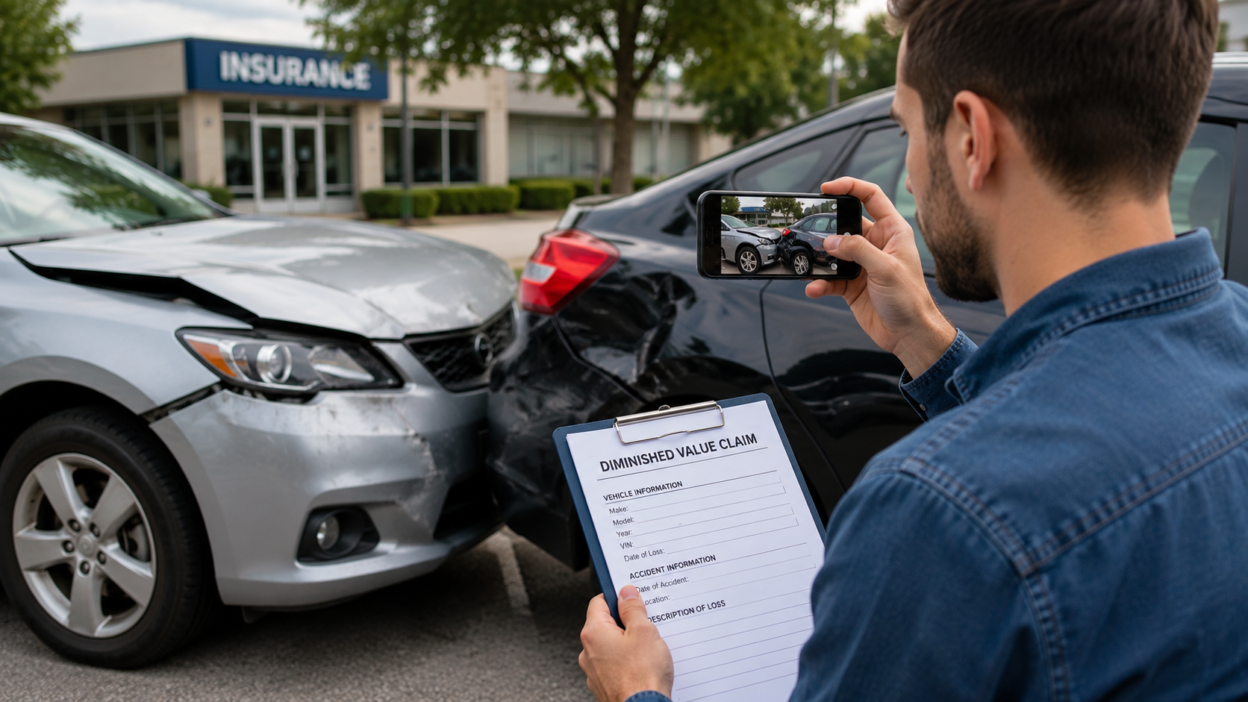
After a car accident, getting your vehicle repaired is only part of the journey. Many owners overlook an important aspect known as a Diminished Value Claim, which can help recover some of the lost value of your car post-repair. Understanding and navigating this process can feel overwhelming, but taking it step by step can lead to a fair outcome. Therefore, knowing what actions to take next is essential for protecting your financial interests.
Key Points
- Assess the extent of the damage and repairs.
- Document all repair work and related costs.
- Gather evidence to support your claim.
- Consult with an appraiser if necessary.
- Check your insurance policy for coverage details.
- Submit your Diminished Value Claim to your insurance company.
- Negotiate with your insurer as needed.
- Keep thorough records of all communications.
Related content:
Revenue Protection vs Yield Protection Crop Insurance
Understanding Diminished Value: What It Means for Your Repaired Vehicle
Diminished value refers to the reduction in a vehicle’s market worth following an accident, even after repairs. This concept can be particularly significant for owners looking to sell or trade-in their cars. The loss in value can stem from several factors, including:
- Accident history: Vehicles with prior damage often carry a stigma.
- Market perception: Buyers may feel hesitant about purchasing a repaired vehicle.
- Repair quality: Even excellent repairs may not fully restore perceived value.
To address this, aDiminished Value Claim may be filed with your insurance company, aiming to compensate for this monetary loss. Still, navigating the process can be complex due to varying opinions on value assessments. Ultimately, understanding your vehicle’s diminished worth is essential for informed decisions.
Step 1: Assessing the Impact of Repairs on Your Car’s Value
When considering a Diminished Value Claim, it’s crucial to evaluate how repairs affect your vehicle’s overall worth. While new parts may restore functionality, they might not fully recoup the original value, particularly if the car has a history of significant damage. This discrepancy can create a complex situation for owners. Therefore, obtaining a professional appraisal can help clarify potential losses. Ultimately, understanding these nuances is key to navigating your Diminished Value Claim effectively.
Step 2: Gathering Evidence: Documentation You Need for Your Claim
To strengthen your Diminished Value Claim, start by collecting essential documents that demonstrate the vehicle’s pre-accident value and current state. This may include repair estimates, photographs of the damage, and expert appraisals. Additionally, any records indicating your car’s maintenance history can be valuable. However, be mindful that the extent of depreciation can vary widely, so it’s crucial to capture all relevant evidence to support your Diminished Value Claim effectively.
Step 3: Navigating Insurance Policies: What Coverage Applies to Diminished Value?
Navigating insurance policies can be complex, especially regarding a Diminished Value Claim. Most policies vary, and understanding the specifics is crucial. Typically, coverage may hinge on how your insurer defines diminished value and whether it includes post-accident depreciation. Consequently, it’s essential to:
- Review insurance terms: Look for clauses related to Diminished Value Claim.
- Consult your insurer: Clarify how they handle such claims.
- Document everything: Maintain records to strengthen your Diminished Value Claim.
Ultimately, having a clear grasp of your policy could significantly impact your claim success.
Step 4: Calculating Your Diminished Value: Tips for Accurate Estimates
Accurately estimating your vehicle’s diminished value requires a careful approach. Begin by gathering comprehensive information, including repair costs, accident history, and market value trends. This context is crucial since it impacts your Diminished Value Claim. Use online tools or consult professionals, as their insights can prove beneficial. However, be cautious; subjective factors may also play a role. Thus, a balanced perspective will ensure a more reliable Diminished Value Claim, tailored to your situation.
Step 5: Submitting Your Claim: A Step-by-Step Guide to Maximizing Compensation
Submitting your Diminished Value Claim can feel complex, but following a systematic approach will enhance your chances of obtaining fair compensation. Begin by gathering all necessary documentation, including repair estimates and evidence of the vehicle’s pre-accident value. Next, articulate your claim clearly, emphasizing the impact on the vehicle’s overall worth. Additionally, consider seeking expert opinions to bolster your argument. “Preparation is key,” as a well-prepared claim often avoids unnecessary disputes.
“Preparation is key.”
Finally, submit your claim promptly and follow up regularly to ensure it remains a priority for the insurer.
You can also check these out.:
Diminished Value of a Car: Estimations After an Accident
Conclusion
In closing, understanding the nuances of a Diminished Value Claim is essential for anyone wanting to ensure they receive fair compensation after an accident. By grasping the factors that contribute to a vehicle’s reduced value, you empower yourself to navigate the claims process with confidence. It’s important to take the time to gather proper documentation and seek expert advice if needed, as this can make a significant difference in the outcome of your claim. Ultimately, staying informed and proactive will help you reclaim the full value of your vehicle, providing much-needed peace of mind amidst the challenges of recovery.
Frequently Asked Questions
What is a diminished value claim?
A diminished value claim is a request for compensation based on the loss of value to a vehicle after it has been involved in an accident, despite being repaired.
Who can file a diminished value claim?
Generally, the owner of the vehicle can file a diminished value claim. This can include individuals or businesses that hold the title to the vehicle.
How is diminished value calculated?
Diminished value is typically calculated by assessing the market value of a vehicle before and after an accident, factoring in the severity of the damage, repair quality, and the vehicle’s make and model.
Do I need a lawyer to file a diminished value claim?
While not strictly necessary, hiring a lawyer can help navigate the claims process, especially if your claim is disputed by the insurance company.
What documentation do I need to support my claim?
To support your diminished value claim, you should gather documents such as repair estimates, appraisals, accident reports, and any other evidence that demonstrates the loss in value of your vehicle.