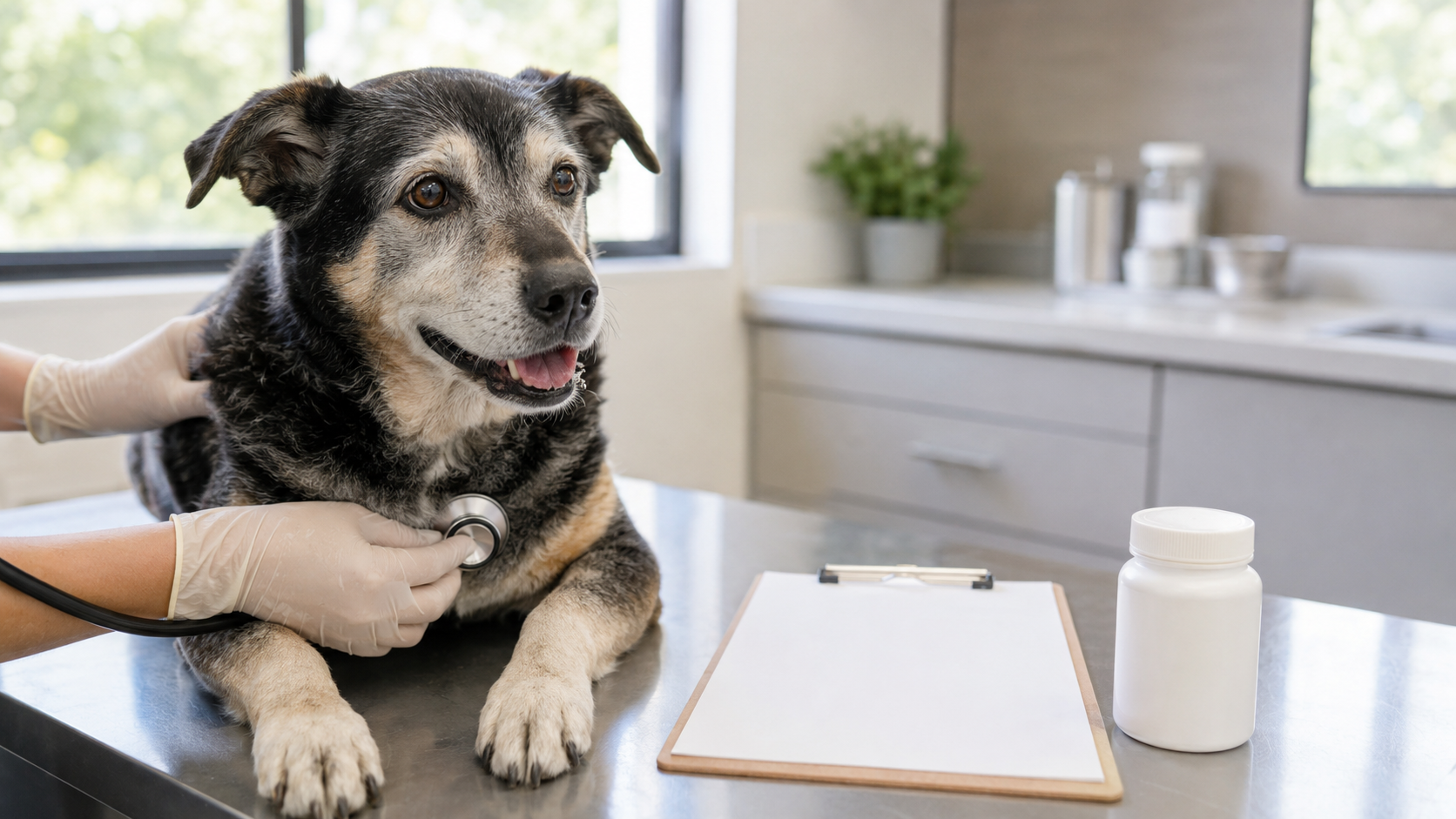
Understanding the ins and outs of pet insurance can feel overwhelming, especially when it comes to navigating the complexities of your policy. One crucial aspect to consider is the Pet Insurance Deductible, which can significantly influence your overall costs and out-of-pocket expenses. Making informed choices about this deductible not only affects your monthly premiums but also impacts how much you’ll pay when your furry friend needs medical attention. By exploring the various deductible options available, you can tailor your policy to fit your financial situation and your pet’s specific needs. Therefore, it’s essential to weigh these choices carefully to ensure peace of mind for you and your beloved companion.
Key Points
- Deductible amounts vary across policies, affecting your overall costs.
- A higher deductible usually means lower monthly premiums.
- Annual versus per-incident deductibles can change your financial responsibility.
- Some policies offer a deductible that resets each year.
- Pre-existing conditions may influence deductible decisions.
- Consider how often your pet requires veterinary care when choosing a deductible.
- Evaluate your budget to find a comfortable deductible level.
- Your decision should align with both your financial goals and your pet’s health needs.
Related content:
What Does Farm Insurance Cover?
Understanding the Basics of Pet Insurance Deductibles
When considering pet insurance, one crucial aspect to grasp is the Pet Insurance Deductible. This deductible represents the amount you need to pay out of pocket before your insurance coverage kicks in. Understanding how this works can lead to better financial decisions in the long run. Generally, there are two types of deductibles: annual and per-incident. Both options carry their advantages and disadvantages.
- Annual Deductible: This is the total amount you must pay within a year before the coverage begins. It can provide a sense of predictability.
- Per-Incident Deductible: This requires you to pay a separate deductible for each new illness or injury. Consequently, costs can escalate unexpectedly.
Choosing the right Pet Insurance Deductible impacts not just your monthly premiums but also your overall financial outlook regarding your pet’s health. Hence, it’s wise to evaluate your budget against possible veterinary expenses. Remember, the ideal deductible varies based on individual circumstances.
How Deductible Amounts Influence Your Monthly Premiums
The relationship between your Pet Insurance Deductible and monthly premiums can be quite intricate. Generally, higher deductibles lead to lower premiums, as the insurance provider’s risk decreases. However, this reduction in payment can come with unforeseen consequences. For instance, if you opt for a higher deductible, you may find yourself facing substantial out-of-pocket expenses during emergencies, which could raise your overall financial burden. Conversely, a lower deductible usually means higher monthly premiums, but it can provide a safety net when your pet needs urgent care.
Ultimately, determining the right deductible involves weighing your budget against your pet’s potential healthcare needs. It’s important to choose a balance that aligns with your financial situation, as well as your comfort level with unexpected veterinary costs. A well-thought-out decision regarding your Pet Insurance Deductible can ensure you maintain both coverage and financial peace of mind.
Therefore, understanding these dynamics is essential for responsible pet ownership.
The Impact of Annual vs. Per Incident Deductibles on Your Costs
The type of deductible you choose can significantly influence your overall expenses when it comes to pet care. An annual deductible means you pay a set amount each year, which can simplify budgeting. However, this could lead to higher upfront costs if your pet requires multiple treatments within that period. On the other hand, a per incident deductible allows you to pay only when a specific event occurs, potentially reducing immediate costs for unexpected veterinary visits. Unfortunately, this could lead to higher expenses if multiple incidents arise. Therefore, understanding how Pet Insurance Deductible structures work is crucial. Each option has its merits, and the best choice often depends on your pet’s health needs and your financial situation. Hence, evaluating your priorities carefully can ensure you pick the right plan that offers peace of mind without undue strain on your wallet.
Choosing Between a High or Low Deductible: Pros and Cons
When selecting pet insurance, the Pet Insurance Deductible can significantly impact your financial strategy. A high deductible often comes with lower monthly premiums, appealing to those who prefer to save in the short term. However, this choice may lead to substantial out-of-pocket expenses during unexpected veterinary emergencies. Conversely, a low deductible can provide peace of mind, ensuring reduced costs when you need care. Nevertheless, monthly premiums tend to be higher, which might not suit everyone’s budget.
Ultimately, deciding between these options depends on your comfort with risk and your pet’s health needs. Consider the following factors:
- Financial Situation: Assess your ability to cover higher costs upfront.
- Pet’s Health: Younger pets may require fewer visits, while older pets might be prone to more health issues.
- Personal Preference: Some individuals favour security over lower monthly payments.
In conclusion, understanding the pros and cons of each Pet Insurance Deductible type is crucial. The right choice aligns with your unique circumstances.
The Role of Deductibles in Different Types of Pet Insurance Plans
Understanding the role of a Pet Insurance Deductible can significantly influence your choices in selecting the right plan for your pet. Generally, deductibles vary between policies, often categorized into annual or per-incident structures. For instance, an annual deductible requires you to pay a set amount each policy year before coverage kicks in, while a per-incident deductible applies to individual claims.
Therefore, choosing a higher Pet Insurance Deductible can lower your premium, which may seem appealing at first; however, it can also lead to increased out-of-pocket expenses during emergencies. Conversely, plans with lower deductibles might offer more immediate coverage but at a higher cost. Always weigh your financial comfort against potential veterinary bills. In my opinion, understanding these nuances helps create a balanced approach to selecting the most suitable pet insurance, ensuring your furry friend receives the necessary care without overwhelming costs associated with a Pet Insurance Deductible.
Factors to Consider When Selecting Your Deductible Amount
Choosing an appropriate Pet Insurance Deductible is crucial, as it significantly impacts your policy’s overall cost. One key factor to examine is your pet’s health history. If your furry friend has pre-existing conditions, you may want a lower deductible to ensure you can afford treatment without causing financial strain. Conversely, if your pet is healthy, you might opt for a higher deductible to enjoy lower monthly premiums.
Another aspect to ponder is your financial flexibility. Are you able to cover out-of-pocket expenses when needed? Additionally, assess how often you visit the vet. Frequent visits may warrant a lower Pet Insurance Deductible, while sporadic care may allow you to take on more risk.
“In insurance, balancing risk and premium costs is often a personal journey.”
Ultimately, the right deductible varies per individual. Pet Insurance Deductible choices should align with your comfort level and expectations for your pet’s health.
How Your Pet’s Health History Affects Deductible Choices
Your pet’s health history plays a crucial role in determining the right Pet Insurance Deductible for your needs. A thorough understanding of past illnesses, injuries, and treatments can guide your decision-making process. For instance, if your pet has pre-existing conditions, you might prefer a lower deductible to minimise out-of-pocket expenses.
Additionally, consider these factors when choosing your deductible:
- Frequency of Vet Visits: Pets with chronic issues may require more frequent visits, making low deductibles beneficial.
- Age of Your Pet: Older pets often face more health issues, which can affect the best deductible choice.
- Type of Breed: Certain breeds are prone to specific health problems, impacting potential costs and deductible selections.
Hence, all these elements might suggest a more tailored approach to your Pet Insurance Deductible, ensuring you strike a balance between affordability and adequate coverage. However, it’s essential to also consider unpredictable health scenarios.
Ultimately, an informed choice can provide peace of mind, knowing you are prepared for your pet’s health needs.
Comparing Deductible Structures Across Leading Pet Insurance Providers
When choosing a pet insurance policy, understanding the various Pet Insurance Deductible structures is crucial. Most providers offer both annual and per-incident deductibles, each with distinct implications for pet owners. For instance, an annual deductible might suit owners with multiple vet visits, as it resets yearly, potentially reducing out-of-pocket costs after the first claim. In contrast, a per-incident deductible only applies once per condition, which could lead to higher expenses over time, depending on a pet’s health. Moreover, some insurers allow flexibility in setting the deductible amount, allowing you to balance monthly premiums with potential out-of-pocket costs. Therefore, it’s essential to evaluate how each Pet Insurance Deductible option aligns with your budget and your pet’s needs. Hence, diligent comparison can lead to informed decisions, especially in terms of comprehensive care that meets your furry friend’s requirements. Lastly, reading the fine print will reveal nuances that could significantly influence your choice.
Real-Life Scenarios: The Cost Implications of Your Deductible Decision
Choosing the right Pet Insurance Deductible can significantly impact your finances, especially in unforeseen circumstances. For instance, imagine your dog develops a sudden illness requiring medical intervention. If you’ve opted for a low deductible, your out-of-pocket expenses may be minimal, providing some financial relief. However, a higher deductible could mean a heftier initial payment before coverage kicks in, potentially causing strain during an already stressful time.
Consider a scenario where your cat needs emergency surgery. If you have a Pet Insurance Deductible set at £500, you might find yourself grappling with the decision whether to proceed with treatment based on immediate costs. Alternatively, a plan with a £100 deductible could make the decision easier, albeit at a higher premium.
The key lies in balancing your monthly budget with possible future expenses, as different situations will surely challenge your expectations.
Tips for Evaluating Your Pet’s Needs When Choosing a Deductible
Choosing the right Pet Insurance Deductible can significantly impact both your finances and your pet’s health care. To make this decision, first assess your pet’s health history. Older pets or those with chronic conditions may necessitate a lower deductible, ensuring you manage medical expenses effectively. Conversely, younger pets often require less frequent vet visits, making a higher deductible more feasible.
Consider your finances carefully. Ask yourself how much you can comfortably afford to pay out of pocket in the event of an emergency. A lower deductible often results in higher monthly premiums, which may or may not align with your budget.
Lastly, review your policy options thoroughly. Some insurers offer diverse deductible choices, which can suit varying needs. Remember that the ideal deductible varies for every pet owner, but weighing these factors can lead to a well-informed decision.
You can also check these out.:
Pet Insurance Deductibles Explained
Conclusion
In conclusion, understanding the dynamics of a Pet Insurance Deductible is essential for making informed choices about your furry friend’s healthcare. As we’ve explored, navigating these deductibles can feel overwhelming, but being well-informed empowers you to select the best policy for your needs. Ultimately, striking a balance between cost and coverage can lead to a more secure and happy life for both you and your pet. Whether you’re a first-time pet owner or a seasoned one, being proactive about insurance can truly make a difference in times of need. Embrace the journey ahead with confidence, knowing that you’ve taken the necessary steps to protect your beloved companion.
Frequently Asked Questions
What is a pet insurance deductible?
A pet insurance deductible is the amount of money you must pay out of pocket for veterinary expenses before your pet insurance provider starts covering the costs.
How do deductibles work with pet insurance?
When you file a claim for your pet’s treatment, you must first cover the deductible amount. Once you have met the deductible, the insurance will reimburse you for covered expenses according to your policy.
Are deductibles the same for all pet insurance plans?
No, deductibles can vary between different pet insurance plans. Some plans may offer a low deductible while others may have a higher one. You should compare options to find what best suits your needs.
Can I choose my deductible amount?
Yes, many pet insurance providers allow you to choose your deductible amount. A higher deductible often results in lower monthly premiums, while a lower deductible typically comes with higher premiums.
What types of deductibles are available?
The two main types of deductibles are annual deductibles, which reset each policy year, and per-condition deductibles, which apply to specific illnesses or injuries.
What happens if I don’t meet my deductible?
If you don’t meet your deductible, your pet insurance will not cover any costs for claims, meaning you will be fully responsible for all veterinary expenses until the deductible is met.
Is the deductible applied to all types of claims?
Yes, generally the deductible applies to all covered claims within the policy, unless explicitly stated otherwise by your insurance provider.
Can my deductible be waived in certain situations?
Some pet insurance policies may have specific conditions under which the deductible can be waived, such as for preventive care. However, this varies by policy and provider.
How do I decide what deductible is best for me and my pet?
Consider your budget, how often your pet visits the vet, and your willingness to pay higher premiums for a lower deductible versus lower premiums for a higher deductible.
Will my deductible increase as my pet ages?
While most pet insurance plans do not automatically raise deductibles simply due to age, some providers may review policies and adjust premiums or deductibles based on a pet’s health status or risk profile.