As healthcare costs continue to rise, many individuals are considering a High Deductible Health Plan as a budget-friendly option. However, it’s important to evaluate both the benefits and drawbacks of this type of insurance before making a decision. Understanding what a high deductible plan entails can help you navigate potential costs and coverage, ensuring that it aligns with your healthcare needs.
Key Points
- High deductible plans typically feature lower monthly premiums but require higher out-of-pocket costs before coverage begins.
- They can be paired with Health Savings Accounts (HSAs) for tax advantages and savings for medical expenses.
- These plans are beneficial for individuals who are generally healthy and do not anticipate needing frequent medical care.
- However, they may pose financial risks for those who require regular treatments or medications.
- Understanding the total cost of care is crucial for making an informed choice regarding these plans.
- High deductible plans often require careful budgeting and consideration of your healthcare needs.
- The flexibility of choosing providers might vary based on the specific plan.
- It’s essential to assess your personal health situation before enrolling, as the plan may not suit everyone.
Understanding High Deductible Health Plans: What You Need to Know
High Deductible Health Plans (HDHPs) can be beneficial for many, yet they also come with notable considerations. Primarily designed to lower monthly premiums, they require higher out-of-pocket costs before insurance kicks in. This can lead to confusion regarding coverage and expenses. Understanding the key features can help you make informed choices:
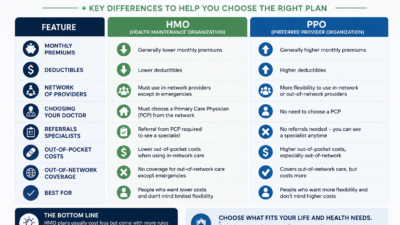
- Premiums: Generally lower than traditional plans, which may appeal to those mindful of budgets.
- Out-of-Pocket Maximums: Limit your total spending, although the initial deductible can be steep.
- Health Savings Accounts: Offer tax advantages for saving towards medical expenses.
In summary, although a High Deductible Health Plan might seem straightforward, its implications can vary widely based on personal healthcare needs.
The Financial Upside: How HDHPs Can Save You Money
One of the most compelling aspects of a High Deductible Health Plan is its potential for substantial savings. Typically, these plans have lower monthly premiums compared to traditional health insurance options. Therefore, you might find your overall healthcare costs decreasing, especially if you remain mostly healthy. However, it’s essential to weigh the higher deductibles with your healthcare needs. In my opinion, if managed wisely, a High Deductible Health Plan can be a financially advantageous choice, particularly when coupled with a Health Savings Account (HSA). Still, careful consideration is necessary, as unexpected medical expenses can quickly add up.
Navigating the Risks: Potential Drawbacks of High Deductible Health Plans
While a High Deductible Health Plan can offer lower monthly premiums, it may inadvertently lead to higher out-of-pocket expenses during a medical crisis. Many individuals might defer necessary treatments, unsure if they can meet the deductible. This hesitation could exacerbate health issues. Additionally, understanding the complexities of these plans can be daunting, potentially leaving insured individuals vulnerable. Therefore, carefully weighing the benefits against the financial risks is essential before committing to a High Deductible Health Plan.
Moreover, though some find value in the flexibility these plans provide, it’s crucial to remain vigilant about how they can complicate access to care, saving money at the cost of potential health risks. Ultimately, your health and financial well-being should guide your decision on a High Deductible Health Plan.
Tax Advantages of HDHPs: Unpacking the Health Savings Account (HSA) Benefits
Choosing a High Deductible Health Plan can lead to notable tax benefits, particularly through Health Savings Accounts (HSAs). Contributions to an HSA are tax-deductible, reducing your taxable income. Furthermore, the funds grow tax-free and can be withdrawn without penalty for qualified medical expenses. This triad of tax advantages makes HSAs a powerful financial tool. However, many individuals may be unaware of the full extent of these perks, potentially missing out on saving opportunities.
Are High Deductible Health Plans Right for You? Assessing Your Healthcare Needs
Choosing a High Deductible Health Plan requires careful consideration of your individual healthcare needs. These plans often feature lower premiums but come with higher out-of-pocket expenses. Therefore, if you’re generally healthy and anticipate minimal medical visits, a High Deductible Health Plan might be appealing. However, if you have chronic conditions or expect significant healthcare costs, you may find yourself struggling to cope financially. Ultimately, assessing your specific situation is crucial in making the right choice.
Tips for Maximizing Your HDHP: Strategies for Smart Enrollment and Usage
Enrolling in a High Deductible Health Plan can be both beneficial and daunting. To make the most of it, start by understanding your healthcare needs and comparing costs. For instance, consider contributing to a Health Savings Account (HSA) to offset out-of-pocket expenses. Furthermore, always stay informed about your plan’s details, as certain services may require pre-authorization. “Knowledge is power,” and in this case, it can lead to significant savings.
Additional Considerations
Evaluate your provider network; this might influence your decisions considerably. However, selecting the right plan goes beyond just premium costs—think about your overall healthcare strategy.
Conclusion
In conclusion, navigating the complexities of a High Deductible Health Plan can feel overwhelming at first, yet embracing its potential benefits can significantly enhance your financial health. It’s important to weigh the pros and cons thoughtfully, considering how these plans might fit into your personal circumstances. Many individuals find that, despite the higher out-of-pocket expenses, the lower premiums can lead to long-term savings, especially when combined with a Health Savings Account. Ultimately, informed choices are key; therefore, reflecting on your healthcare needs and financial goals will empower you to make a decision that works for you.
Frequently Asked Questions
What is a High Deductible Health Plan (HDHP)?
A High Deductible Health Plan (HDHP) is a type of health insurance plan that requires policyholders to pay higher out-of-pocket costs before the insurance coverage kicks in. Typically, HDHPs have lower monthly premiums but higher deductibles compared to traditional health plans.
What are the benefits of having an HDHP?
The main benefits of an HDHP include lower monthly premiums, the ability to contribute to a Health Savings Account (HSA), and potential tax advantages. HDHPs can also encourage individuals to make more cost-effective healthcare decisions, as they are directly responsible for their initial medical expenses.
How does a Health Savings Account (HSA) work with an HDHP?
An HSA is a tax-advantaged savings account that allows individuals with an HDHP to save money for qualifying medical expenses. Contributions to the HSA are tax-deductible, and funds can be used tax-free for eligible healthcare costs, making it a valuable tool for managing healthcare expenses.
Are all health expenses covered after reaching the deductible?
Generally, after reaching the deductible, the HDHP will cover a percentage of the remaining costs, often termed ‘coinsurance’, until you reach an out-of-pocket maximum. However, not all services may be covered, and it’s essential to review the specific plan details for coverage limitations and exclusions.
Who is an HDHP best suited for?
An HDHP may be best suited for individuals or families who are generally healthy, anticipate minimal medical expenses, and want to save on monthly premiums. It’s also a good option for those who want to take advantage of an HSA to save for future healthcare costs and enjoy tax benefits.