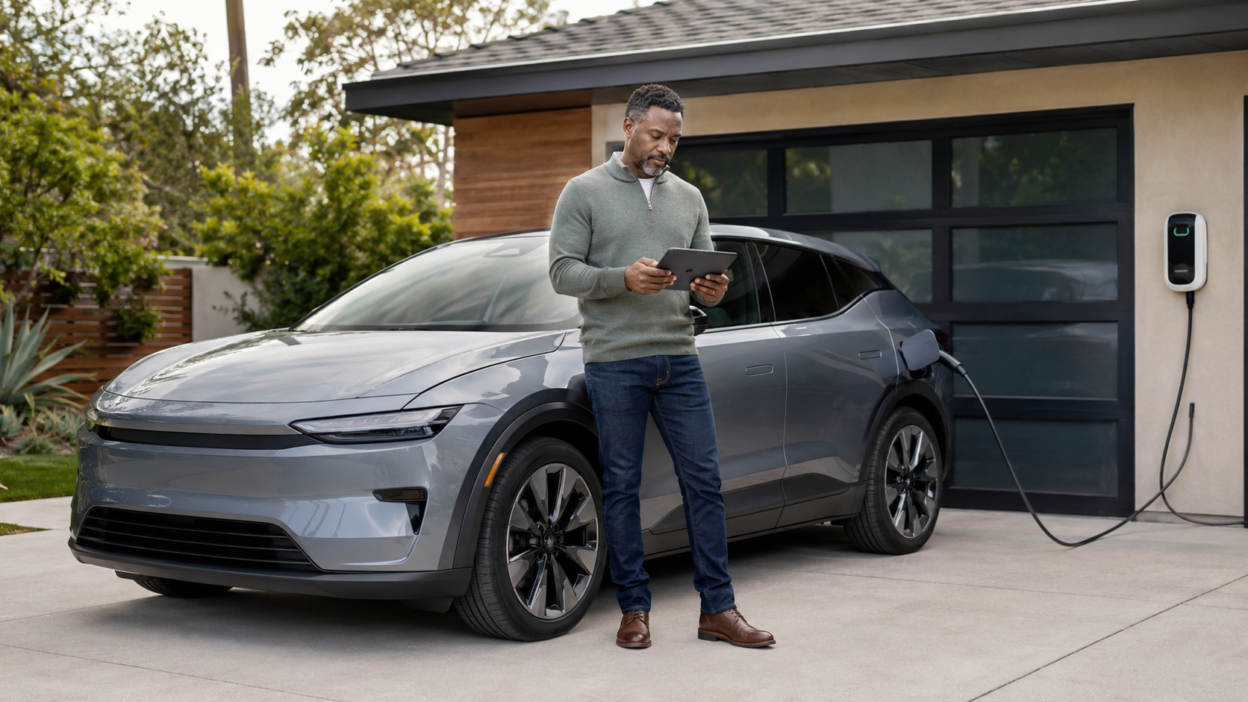
As electric vehicles (EVs) gain popularity, it’s essential for owners to understand the unique insurance considerations that come with them. Unlike conventional cars, insuring an electric vehicle involves distinct cost factors that can shape policy pricing. While drivers may enjoy the benefits of lower fuel costs and tax incentives, they must also navigate specific insurance nuances that can affect their overall premiums. Therefore, grasping these elements of Electric Car Insurance can lead to more informed decisions for savvy owners.
Key Points
- Factors such as battery replacement costs significantly impact insurance premiums.
- EVs often have advanced technology that can affect repair expenses.
- Insurance rates can vary based on the type of charger used.
- Some insurers offer discounts for eco-friendly vehicles.
- The vehicle’s safety ratings can influence coverage costs.
- Local incentives and regulations may alter premium rates.
- The cost of new models can lead to higher insurance premiums.
- Charging infrastructure availability may affect risk assessments.
- Driving habits specific to EV owners can influence insurance costs.
Related content:
Crop Insurance vs Farm Insurance: What Is the Difference?
Understanding the Unique Risks Associated with Electric Vehicles
While electric vehicles (EVs) are becoming increasingly popular, they bring unique risks that drivers should consider. The potential for battery-related issues, although relatively rare, may still affect performance under certain conditions. Moreover, the cost of repairs can be significantly higher due to specialized parts. Therefore, understanding Electric Car Insurance options is vital to ensure adequate coverage. Here are some risks to ponder:
- Battery Lifespan: Electric car batteries may degrade over time, impacting range and efficiency.
- Charging Infrastructure: Limited charging stations can lead to inconvenience, especially in less populated areas.
- Fire Hazards: Although uncommon, lithium-ion batteries pose a fire risk if damaged or improperly handled.
These factors could influence your choices and, by extension, your Electric Car Insurance needs. Therefore, consider them carefully.
In my opinion, staying informed will help mitigate potential challenges linked to driving an EV, ensuring a smoother, safer experience.
How Battery Replacement Costs Influence EV Insurance Premiums
The expense associated with battery replacement in electric vehicles can significantly impact insurance premiums. Insurers often consider the total cost of ownership, including potential battery replacement, when calculating rates. For instance, a high replacement cost may lead to higher Electric Car Insurance premiums, as providers anticipate greater risk. However, factors such as battery warranty length and the EV’s market value can create variances. Therefore, understanding these dynamics is crucial for all potential EV owners.
The Impact of Charging Infrastructure on Insurance Policies
The availability of charging infrastructure has increasingly influenced Electric Car Insurance policies. Insurers may consider the accessibility and reliability of charging stations when determining premiums. Better infrastructure can potentially lower risk, thereby offering more favourable terms to policyholders. However, the relationship is not entirely straightforward; some might argue that regional disparities in charging availability still pose challenges. Therefore, understanding local charging conditions is essential for consumers navigating Electric Car Insurance options.
Future Considerations
As the network of charging stations expands, we may see significant adjustments in Electric Car Insurance models, reflecting changing risk factors and consumer behaviour.
Evaluating the Safety Features of Electric Cars and Their Effect on Coverage
Safety features in electric cars are continually evolving, yet their impact on Electric Car Insurance remains a subject of discussion. Many vehicles now include advanced driver-assistance systems (ADAS), significantly enhancing safety. However, it’s unclear whether these improvements always translate to lower insurance premiums. Generally, insurers evaluate not only safety features but also the car’s repair costs and technology reliability. Therefore, drivers should consider both performance and coverage, as potential savings might vary.
Key Safety Features Consideration
- ADAS: Largely improves accident avoidance, possibly affecting premiums.
- Battery Safety: Involves fire risk assessment—can complicate coverage.
- Repair Costs: Advanced technology may lead to higher repair expenses, impacting rates.
Government Incentives and Their Role in Electric Car Insurance Rates
Government incentives often play a pivotal role in shaping the landscape of Electric Car Insurance. With subsidies and tax breaks, consumers may find it easier to transition to electric vehicles, which can subsequently influence insurance premiums. However, the relationship isn’t straightforward; while incentives can lower costs, factors like driving history and vehicle value still weigh heavily. Therefore, understanding this interaction can help potential buyers make informed choices regarding their Electric Car Insurance options.
Conclusion: A Complex Interplay
In conclusion, the role of government incentives in determining Electric Car Insurance rates is both significant and complex. As policies evolve, so do the financial implications for consumers, making it crucial to stay informed.
The Importance of Accidents and Claims History for EV Owners
Understanding the significance of accidents and claims history is crucial for electric vehicle (EV) owners. An individual’s driving record can significantly influence Electric Car Insurance premiums. Insurers often assess past incidents to gauge risk levels, which can lead to surprising fluctuations in costs. Therefore, a clean driving history may qualify one for lower rates. However, any accidents can raise concerns about safety and reliability, affecting future coverage opportunities.
“A moment of carelessness can lead to years of increased expenses.” – Anonymous
Table: Impact of Claims on Insurance Premiums
| Claims History | Estimated Premium Increase |
|---|---|
| No Claims | Baseline Rate |
| 1 Claim | +15% |
| 2+ Claims | +30% or higher |
Overall, maintaining a conscientious driving record, therefore, not only fosters safety but also plays a pivotal role in managing the costs of Electric Car Insurance.
Comparing Insurance Options: Specialized Coverage for Electric Vehicles
Choosing the right coverage for your electric vehicle involves understanding the nuances of Electric Car Insurance. While traditional car insurance might suffice, specialized options can offer enhanced benefits tailored to electric vehicles. For instance, policies may include coverage for battery replacement or charging station equipment. When evaluating your options, consider the following factors:
- Premium Costs: Compare rates that reflect the unique aspects of your electric car.
- Coverage Limits: Ensure the policy covers potential high repair costs associated with electric vehicle technology.
- Incentives: Look for offerings that reward environmentally-friendly driving habits.
Ultimately, the right choice hinges on your specific needs, so assess carefully for the best fit in Electric Car Insurance.
Moreover, be aware that not all providers are created equal; some may lack expertise in Electric Car Insurance, which can affect claims processing.
You can also check these out.:
Electric car insurance: Costs, coverage and tips
Conclusion
In summary, navigating the realm of Electric Car Insurance is crucial for anyone considering this eco-friendly vehicle option. With the unique features and requirements that electric cars present, it’s essential to understand how coverage can differ from traditional models. Many drivers may find that the benefits of lower maintenance costs and government incentives can outweigh the potentially higher insurance premiums. Therefore, investing time and effort into finding the right policy can lead to considerable savings and peace of mind on the road. Ultimately, making informed decisions about your insurance will empower you to enjoy the advantages of electric driving fully.
Frequently Asked Questions
What is electric car insurance?
Electric car insurance is specifically designed to cover vehicles that run on electric power, providing protection against risks such as accidents, theft, fire, and damage.
Is electric car insurance more expensive than regular car insurance?
Typically, electric car insurance may be slightly more expensive due to the higher cost of electric vehicles and their components; however, savings can be found through discounts for eco-friendly vehicles and government incentives.
What factors affect the cost of electric car insurance?
Factors that influence the cost include the make and model of the electric vehicle, the driver’s age and driving history, location, and the coverage levels selected.
Do I need special insurance for charging my electric car at home?
Generally, standard home insurance policies cover home charging installations, but it’s advisable to check with your insurer to ensure you’re fully protected.
Can I use standard auto insurance for my electric car?
While you can use standard auto insurance for an electric car, it’s recommended to seek out policies specifically tailored for electric vehicles to ensure comprehensive coverage.