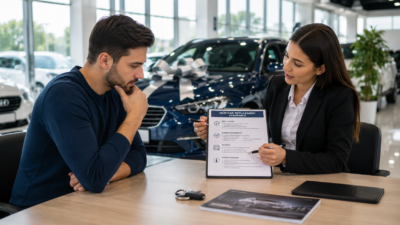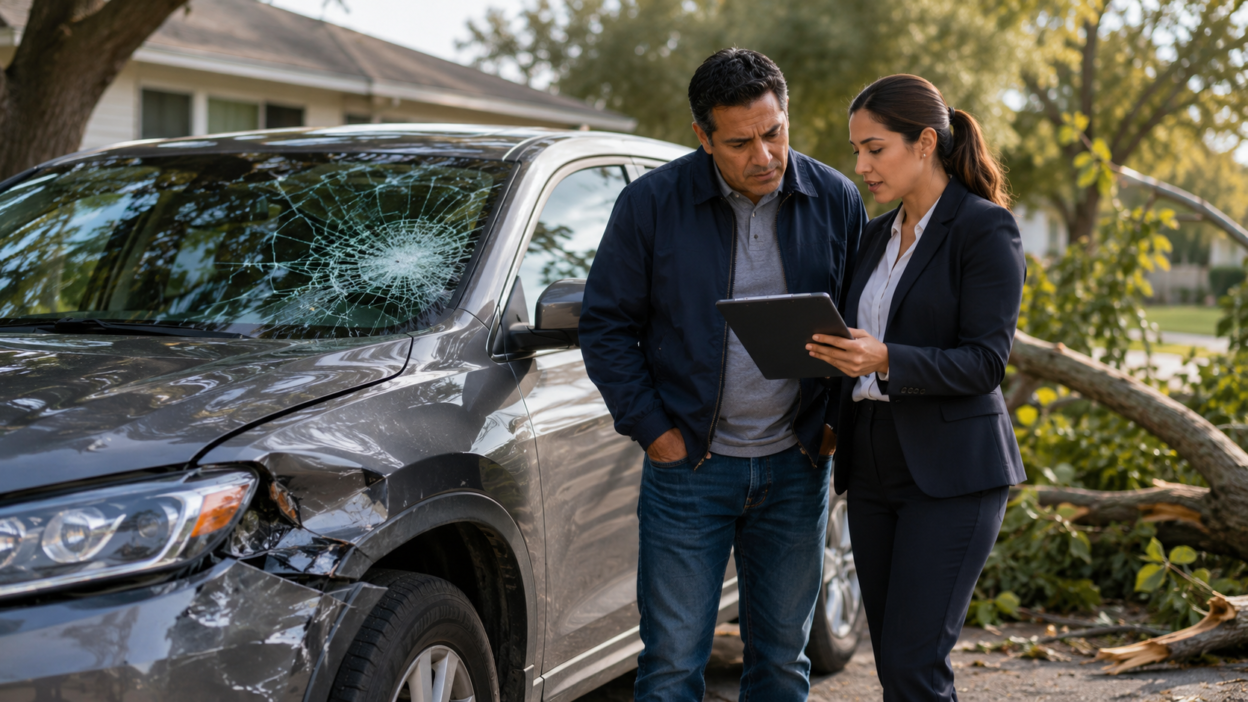
Choosing the right auto insurance can be a daunting task for car owners, especially when navigating the differences between various types of coverage. One of the key comparisons to consider is Collision vs Comprehensive Insurance. Understanding these insurance types is essential for ensuring adequate protection for your vehicle. While both serve specific purposes, they differ significantly in their coverage and benefits. This article will guide you through the crucial distinctions to help you make an informed decision.
Key Points
- Collision insurance covers damage to your vehicle from accidents, while comprehensive insurance protects against non-collision incidents.
- Collision coverage typically applies regardless of fault, whereas comprehensive coverage addresses theft, vandalism, and natural disasters.
- Both insurance types may have deductible requirements that can impact your out-of-pocket costs.
- Insurance premiums can vary based on the type of coverage selected and the specific risks involved.
- Understanding state laws and lender requirements can influence the need for either coverage type.
- Many policyholders choose to bundle coverage types for enhanced protection and potential savings.
- Reviewing your driving habits and vehicle value can help determine the most appropriate coverage for your needs.
- Claims processes for collision and comprehensive insurance may differ, necessitating thorough documentation.
- Each coverage type’s impact on your overall insurance policy and budget should be carefully evaluated.
Related content:
What Is Agricultural Insurance and How Does It Work?
Understanding Collision Insurance: What It Covers and When It Applies
Collision insurance is designed to cover damages to your vehicle resulting from collisions with other vehicles or objects. This coverage applies regardless of fault, making it essential for drivers who frequently navigate busy roads. However, it’s important to consider when this insurance is most beneficial. Typically, it’s advisable to have collision insurance if:
- Your vehicle has significant value: Protects your investment in case of heavy damage.
- You drive in high-traffic areas: Enhances your safety net against unforeseen accidents.
- You have a loan or lease: Required by lenders to safeguard their interest.
Collision insurance can be crucial in the debate of Collision vs Comprehensive Insurance, as each serves specific needs in vehicle protection, yet some situations may leave you wondering which is necessary.
The Benefits of Comprehensive Insurance: A Broader Protection Strategy
Comprehensive insurance offers numerous benefits that extend beyond standard coverage. It protects against various risks, including theft, vandalism, and natural disasters. This all-encompassing approach becomes crucial when considering the nuances of Collision vs Comprehensive Insurance. While collision insurance covers damages from accidents, comprehensive covers a wider array of incidents. Therefore, opting for comprehensive insurance ensures greater peace of mind, knowing that you’re safeguarded against unforeseen events that could otherwise lead to significant financial loss.
Key Differences: Collision vs. Comprehensive – A Side-by-Side Comparison
Understanding the nuances between Collision vs Comprehensive Insurance is essential for drivers. Collision coverage typically kicks in during accidents involving your vehicle, regardless of fault. In contrast, comprehensive insurance covers non-collision-related incidents, such as theft or natural disasters. Therefore, while both offer protection, they serve different purposes. However, many policyholders often overlook the importance of balancing both types of coverage. A well-informed choice can safeguard against unexpected costs and ensure peace of mind.
Cost Considerations: How Premiums Differ Between Collision and Comprehensive Insurance
Understanding the cost implications of Collision vs Comprehensive Insurance can be crucial for vehicle owners. Generally, collision insurance tends to have higher premiums due to its focus on accident damage. In contrast, comprehensive insurance, which covers non-collision incidents such as theft or natural disasters, may offer lower rates, but this varies widely. Factors like your location, vehicle type, and driving history play significant roles in determining these premiums.
Factors Influencing Premium Differences
| Factor | Impact on Premiums |
|---|---|
| Vehicle Type | Luxury cars often face higher premiums. |
| Location | Urban areas typically have more accidents and theft. |
| Driving History | A clean record can lead to lower costs. |
Therefore, evaluating your specific needs and potential risks is essential in deciding between these two options. Ultimately, the choice should reflect both your financial situation and your insurance requirements.
Claims Process: Navigating the Steps for Collision and Comprehensive Coverage
Navigating the claims process for Collision vs Comprehensive Insurance can initially feel daunting. Begin by assessing the damage and gathering necessary documentation—photos and witness information can be invaluable. Once you’ve contacted your insurer, they will guide you through claims submission. However, be prepared for potential delays or requests for clarity regarding your coverage details. Understanding the nuances of your policy is essential, especially when differentiating between Collision vs Comprehensive Insurance claims effectively. Therefore, stay informed and proactive to ensure a smooth process.
Situations Requiring Coverage: When to Choose Collision or Comprehensive Insurance
Choosing between Collision vs Comprehensive Insurance often depends on your specific needs and circumstances. In a scenario where you encounter an accident with another vehicle, collision coverage is crucial. However, if your car gets damaged due to natural disasters or theft, comprehensive insurance offers necessary protection. Therefore, understanding the nuances of both types of insurance can help navigate unexpected situations, ensuring you select the right coverage for your peace of mind.
“Insurance is like a safety net; choosing the right one can make all the difference.”
Evaluate your driving habits and environment carefully to determine the best option for you.
Making an Informed Decision: Choosing the Right Coverage for Your Vehicle Needs
When selecting insurance, it’s vital to understand your options. Many drivers debate Collision vs Comprehensive Insurance to determine the best fit for their circumstances. Factors such as vehicle type, driving habits, and budget can significantly influence your choice. Therefore, consider the following:
- Coverage Type: Understand the key differences between Collision vs Comprehensive Insurance and how they apply to potential accidents.
- Cost Implications: Evaluate your premium costs versus potential out-of-pocket expenses during claims.
- Personal Needs: Reflect on your individual driving patterns and location, which may sway your decision towards one type.
Ultimately, the right coverage ensures peace of mind on the road.
You can also check these out.:
Collision vs. Comprehensive Insurance
Conclusion
In wrapping up, it’s clear that understanding Collision vs Comprehensive Insurance is essential for making informed decisions about your car coverage. Each type of insurance serves a unique purpose, and knowing the differences can help you select the right policy for your needs. While Collision covers damages to your vehicle from accidents, Comprehensive protects against a broader range of risks, including theft and weather-related incidents. Therefore, evaluating your lifestyle and driving habits can significantly influence which option is best for you. Ultimately, taking the time to weigh your choices ensures you’re well-prepared for the unexpected.
Frequently Asked Questions
What is the difference between collision and comprehensive insurance?
Collision insurance covers damage to your vehicle resulting from a collision with another vehicle or object, while comprehensive insurance covers damage caused by events other than collisions, such as theft, vandalism, or natural disasters.
Do I need both collision and comprehensive insurance?
It depends on your individual circumstances. If you have a newer or more valuable vehicle, having both may be wise to protect your investment. If your vehicle is older or less valuable, you might consider just liability insurance or forgoing one of the coverages.
Will my premium be higher if I choose both types of insurance?
Yes, typically, carrying both collision and comprehensive insurance will result in a higher premium compared to having only one type of coverage. This reflects the increased level of protection offered.
Are there any deductibles associated with collision and comprehensive insurance?
Yes, both collision and comprehensive insurance usually come with deductibles. This is the amount you must pay out of pocket before your insurance coverage kicks in. You can often choose your deductible amount, which can affect your premium.
Does comprehensive insurance cover accidents?
No, comprehensive insurance does not cover accidents or collision-related damages. For accidents involving another vehicle or object, you would need collision insurance to cover those costs.