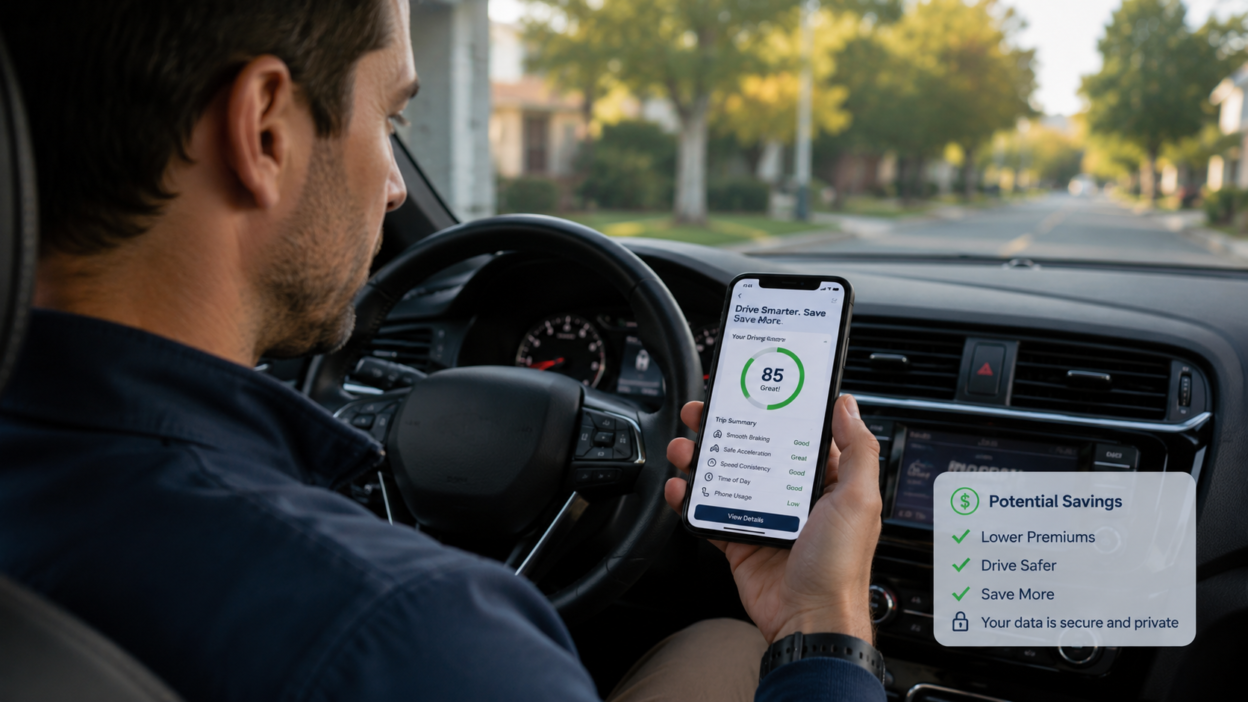
As the world embraces new technologies, Usage-Based Car Insurance has emerged as a compelling option for savvy drivers. This innovative insurance model tailors premiums based on actual driving behaviour, potentially leading to significant savings. However, while the opportunity for lower costs is enticing, several privacy concerns warrant careful consideration. In this article, we will explore the essential factors that influence both your privacy and potential savings, helping you to make an informed decision.
Key Points
- An overview of how Usage-Based Car Insurance works.
- Potential savings and financial benefits associated with this insurance model.
- Privacy issues linked to data collection and sharing practices.
- The technology used for tracking driving habits.
- How driving behaviour impacts insurance premiums.
- The importance of understanding terms and conditions.
- Comparisons to traditional car insurance policies.
- Regulatory considerations affecting Usage-Based Car Insurance.
- Tips for selecting the right plan for individual needs.
Related content:
Revenue Protection vs Yield Protection Crop Insurance
Understanding Usage-Based Car Insurance: How It Works and What to Expect
Usage-Based Car Insurance offers a flexible and personalized alternative to traditional insurance models. By tracking your driving habits, insurers can assess risk more accurately. This approach often leads to potentially lower premiums for cautious drivers. However, understanding how your data is collected and interpreted can be complex. Generally, you might encounter:
- Device Installation: A telematics device records driving patterns like speed and braking.
- Data Analysis: Insurers evaluate this information to determine your premium.
- Feedback Mechanism: Many plans provide driving tips based on your performance.
Ultimately, Usage-Based Car Insurance can be advantageous, but it’s essential to consider privacy aspects and your driving style before opting in.
The Privacy Dilemma: Balancing Data Collection and Personal Security
In today’s digital landscape, the challenge of maintaining personal security while embracing modern conveniences is paramount. As companies increasingly adopt practices like Usage-Based Car Insurance, they often require extensive data collection to tailor services. However, this raises concerns about privacy. Consumers must weigh the benefits of personalized policies against potential risks. Therefore, fostering an open dialogue about transparency and data use is essential, ensuring that innovations do not inadvertently compromise individual rights.
Potential Savings: How Usage-Based Insurance Could Lower Your Premiums
Exploring Usage-Based Car Insurance can unveil significant savings for drivers. This innovative approach tailors premiums based on actual driving habits rather than traditional estimates. For instance, conscientious drivers who avoid risky behaviour might see their costs decrease. However, the potential savings can vary, depending on how one drives and the specific policies offered. It’s worth considering how Usage-Based Car Insurance can adapt to individual needs, especially in a market where flexibility is key. Overall, Usage-Based Car Insurance presents a compelling option to potentially trim costs.
The Impact of Driving Habits on Insurance Rates: Insights for Savvy Drivers
Every driver’s habits significantly influence their insurance rates. Insurers meticulously assess driving behaviours, incorporating factors such as speed, braking patterns, and mileage. Interestingly, how often one drives can be just as crucial as the driving style itself. For those exploring options, Usage-Based Car Insurance might offer a tailored approach, rewarding safe habits while penalizing risky behaviours. Understanding these dynamics can empower drivers to make informed choices about their coverage and potentially lower their costs.
Data Accuracy and Transparency: Ensuring Fair Practices in Usage-Based Insurance
In the realm of Usage-Based Car Insurance, data accuracy and transparency are paramount. Insurers must navigate the intricate balance between utilizing driving data and maintaining consumer trust. This requires clear communication on how data is collected and utilized. However, consumers often remain uncertain about the implications of this data. Only by fostering transparency and ensuring precise data usage can companies enhance fairness in the Usage-Based Car Insurance landscape, benefiting both providers and policyholders alike.
Exploring the Legal Aspects: What You Need to Know About Data Sharing Agreements
Data sharing agreements are crucial in today’s digital landscape, especially in sectors like insurance. They outline the terms under which data—such as that for Usage-Based Car Insurance—is shared between parties. This framework not only ensures compliance with legal regulations but also protects sensitive information. However, the nuances of these agreements can sometimes lead to uncertainties about data handling practices. As a result, organizations must navigate this complex terrain carefully to avoid potential pitfalls.
“In the world of data, clarity is key to fostering trust and collaboration.”
Is Usage-Based Insurance Right for You? Factors to Evaluate Before Switching
Before embracing Usage-Based Car Insurance, consider key factors that may influence your decision. Firstly, assess your driving habits; consistent safe driving can lead to significant savings. Additionally, evaluate how comfortable you are with telematics technology, as it collects data to inform your premiums. Furthermore, think about your current insurance needs: could the flexibility of Usage-Based Car Insurance meet them? Ultimately, weighing these elements helps clarify if this option suits your lifestyle.
You can also check these out.:
Usage-Based Insurance: Turn Your Driving Habits Into …
Conclusion
As we wrap up our exploration, it’s clear that Usage-Based Car Insurance offers a fresh perspective on how we approach auto coverage. By rewarding safe driving habits, this model not only saves money for responsible drivers but also encourages better road behaviour. However, it’s essential to consider personal driving patterns when deciding if this option suits you. Ultimately, the adaptability of Usage-Based Car Insurance highlights its potential to reshape the insurance landscape, making it more personalized and fair for everyone. Choosing this route might be a step towards a more responsible and economical driving experience.
Frequently Asked Questions
What is usage-based car insurance?
Usage-based car insurance (UBI) is a type of policy that calculates your premiums based on how much and how well you drive. By tracking your driving habits, insurers can offer personalised rates that could save you money if you are a safe driver.
How is driving behaviour monitored in usage-based car insurance?
Insurers use telematics devices or mobile apps to monitor driving behaviour. These tools collect data on factors such as speed, braking patterns, acceleration, and mileage, which are then used to assess risk and calculate your premium.
Can I save money with usage-based car insurance?
Yes, if you are a safe driver with good driving habits, you may be eligible for discounts on your premiums. Many insurers offer lower rates for drivers who consistently display responsible driving behaviour.
Is usage-based car insurance suitable for everyone?
Usage-based car insurance might not be ideal for everyone. If you drive infrequently or have irregular driving patterns, the potential savings may be less significant compared to traditional insurance. It’s important to evaluate your driving habits before deciding.
What happens to my premium if my driving behaviour changes?
If your driving behaviour improves, your premium may decrease, reflecting your reduced risk. Conversely, if your driving habits show increased risk (e.g., frequent hard braking or speeding), your premium may rise. Insurers typically review your data periodically to adjust rates accordingly.