
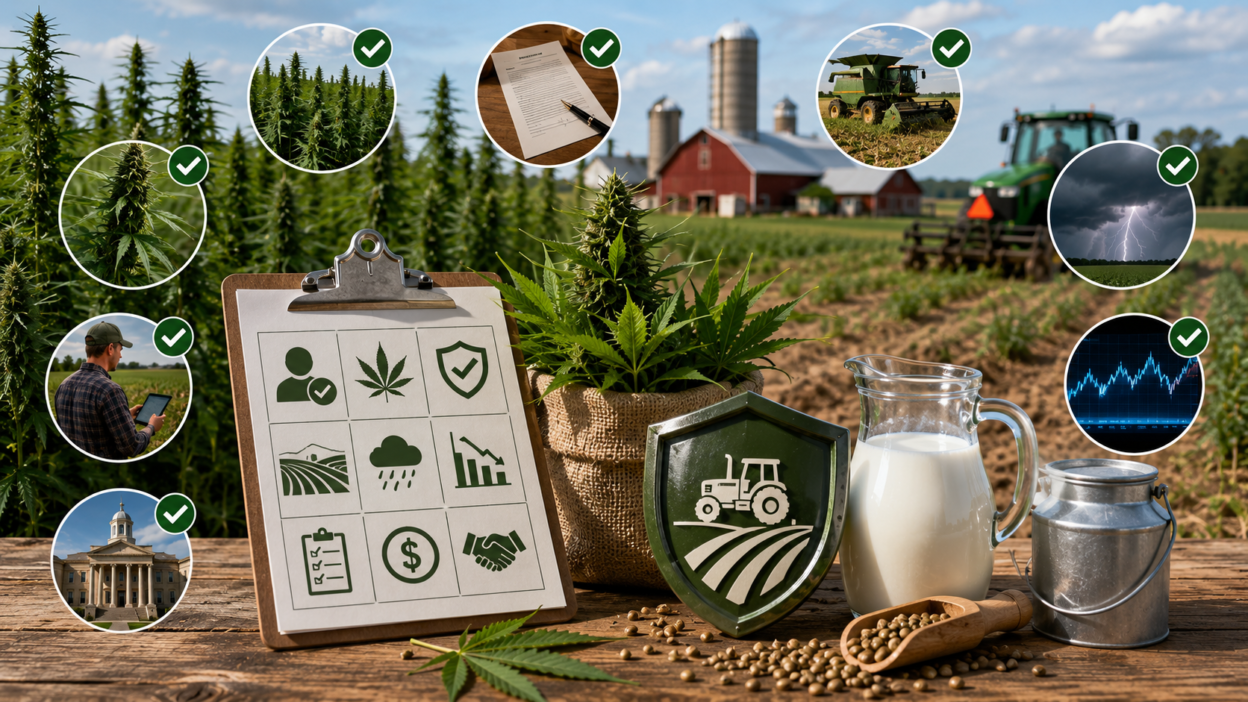
As the hemp industry continues to expand, it becomes increasingly important for farmers to navigate the complexities of protecting their investments through appropriate insurance options. One such option is Hemp Crop Insurance, designed specifically for those engaged in this growing market. Understanding the various eligibility requirements and coverage rules is pivotal for farmers looking to mitigate risks associated with crop failures and market fluctuations. In this article, we will delve into eight fundamental considerations to help you make informed decisions about how to safeguard your hemp crops. With this knowledge, you can ensure that your efforts contribute to a thriving business, even in the face of potential challenges.
Key Points
- Understanding the specific eligibility criteria for Hemp Crop Insurance.
- Recognizing the types of coverage available within the insurance framework.
- Exploring the documentation needed to apply for coverage.
- Evaluating the factors that influence premium rates.
- Learning about the claims process in the event of crop loss.
- Identifying the consequences of failing to meet eligibility guidelines.
- Considering the timeline for crop insurance applications.
- Understanding the role of state regulations in the insurance process.
Related content:
Revenue Protection vs Yield Protection: 9 Crucial Differences for Farmers
Understanding Hemp Crop Insurance: A Comprehensive Overview
As the hemp industry evolves, understanding Hemp Crop Insurance becomes increasingly important for farmers looking to protect their investments. This type of insurance offers a safety net against the uncertainties inherent in agriculture, particularly for hemp—a crop that is still navigating regulatory complexities. Farmers must assess various aspects to ensure comprehensive coverage, including the nature of the crop, market trends, and potential hazards. However, navigating the specifics can be daunting.
To simplify this, consider the following key points regarding Hemp Crop Insurance:
- Market Fluctuations: Prices for hemp can vary significantly based on demand and supply, affecting profitability and risk.
- Regulatory Environment: Changes in laws may impact hemp cultivation, influencing insurance options.
- Climate Risks: Weather events can devastate crops; therefore, having an appropriate insurance plan is crucial.
In conclusion, while Hemp Crop Insurance provides valuable protection, it’s vital for farmers to stay informed and proactive to navigate this evolving landscape.
You can also check these out.:
2021 Hemp Crop Insurance Standards Handbook 8-19-21
Key Eligibility Criteria for Hemp Farmers Seeking Insurance
When considering Hemp Crop Insurance, farmers must navigate several key eligibility criteria. Firstly, it is essential to verify the legality of their hemp cultivation under local regulations. Most insurers require proof that the hemp is cultivated in compliance with the 2018 Farm Bill or relevant state laws. Secondly, farmers should provide detailed documentation of their farming practices, including planting dates and cultivation methods, as this can significantly impact coverage options.
Another crucial factor is the insured’s experience in the industry. Insurance providers often prefer farmers with a demonstrated history of successful hemp production, though there are programs for newcomers. Additionally, farmers must ensure their crops meet specific quality standards, potentially influencing their premiums. Therefore, understanding these criteria is vital, as they shape the landscape of Hemp Crop Insurance offerings, paving the way for informed decisions in the growing hemp market.
In conclusion, while securing Hemp Crop Insurance may seem daunting, farmers who are diligent in meeting these criteria can enhance their prospects of obtaining comprehensive coverage.
Types of Coverage Available for Hemp Crops: A Detailed Breakdown
When it comes to Hemp Crop Insurance, farmers have various options tailored to their specific needs. Crop insurance can encompass both the yield loss due to unforeseen events and damage caused by pests or diseases. Generally, the main types of coverage include actual production history, revenue protection, and area-based insurance. Each type serves different purposes and may offer unique benefits.
Moreover, some insurance products focus on specific stages of growth, while others provide broader protection throughout the cultivation cycle. In my opinion, understanding these distinctions is crucial for farmers aiming to safeguard their investments. However, finding the right mix of policies can be challenging, especially with the evolving landscape of hemp regulations. As such, it’s essential to consult with a knowledgeable advisor who understands the nuances of Hemp Crop Insurance options available in your location. Ultimately, thorough research and careful planning will help mitigate risks effectively.
Therefore, being proactive about choosing the right Hemp Crop Insurance coverage can lead to long-term success in this promising industry.
How Climate and Environmental Factors Affect Hemp Crop Insurance
Climate and environmental conditions play a pivotal role in the success of hemp cultivation, directly influencing Hemp Crop Insurance policies. Changes in temperature and precipitation can determine crop yields, making it vital for farmers to understand their local climate trends. For instance, excessive rainfall might lead to increased fungal diseases, while prolonged drought can stunt growth.
Farmers often grapple with uncertainties such as unpredictable weather patterns, which can complicate Hemp Crop Insurance assessments. Therefore, insurance providers may adjust premiums based on regional climate risks, potentially altering coverage stipulations. Knowledge of local environmental factors can help farmers advocate for fair insurance terms.
Consequently, staying informed about climate trends can empower growers to make better decisions concerning both cultivation and Hemp Crop Insurance options. In this ever-evolving landscape, adaptability and foresight become key tools for sustainable farming.
Navigating the Application Process for Hemp Crop Insurance
Applying for Hemp Crop Insurance can seem daunting, yet it offers essential financial protection for growers. First, gather necessary documents such as your farming records and prior insurance details. This preparation helps streamline the process, ensuring you don’t overlook important information. Next, consult with a qualified insurance agent who understands the specific needs of hemp producers. They can provide invaluable insights into the varying coverage options and help you evaluate your risks accurately.
It’s crucial to consider the timing of your application. Depending on the region, deadlines may vary, affecting your eligibility for certain policies. Moreover, keep in mind that regulations around hemp farming can change, influencing the availability of Hemp Crop Insurance. Therefore, staying informed about the latest developments will be beneficial. Finally, ensure you complete your application thoroughly; incomplete submissions can lead to delays or denials. Protect your investment wisely!
Common Exclusions to Watch Out for in Hemp Crop Insurance Policies
Navigating Hemp Crop Insurance policies can be intricate, primarily due to the various exclusions that may catch growers off guard. One common area of concern involves losses attributed to natural disasters, which are often subject to specific limitations. For instance, certain hail or flood damages may not be covered, leaving growers vulnerable.
Understanding Specific Exclusions
Moreover, many policies exclude damages resulting from negligence or inadequate management practices. Farmers must ensure they adhere to best practices because failure to do so can void their coverage. Additionally, issues such as crop failure due to pest infestations may not always qualify for compensation, depending on the terms of the Hemp Crop Insurance policy.
“In the realm of hemp cultivation, awareness of policy exclusions can be as crucial as understanding the benefits.”
Therefore, conducting thorough research and selecting the right policy is essential for hemp growers, as it sets the stage for their financial security.
The Role of Federal and State Regulations in Hemp Crop Insurance
Federal and state regulations play a pivotal role in shaping the landscape of Hemp Crop Insurance. These regulations establish a framework that determines how insurance products can be designed, offered, and regulated. Consequently, farmers may find the availability of coverage varies widely depending on their location. Federal guidelines, primarily set by the USDA, outline the minimum standards for insurance, yet states have the authority to tailor these standards to their unique agricultural environments.
Understanding the interplay between federal and state regulations is essential for farmers seeking to navigate this complex area. Here are some key points regarding this relationship:
- Compliance: Farmers must ensure compliance with both federal and state laws to qualify for Hemp Crop Insurance.
- Variability: Insurance options may differ from one state to another, affecting the farmers’ risk management strategies.
- Subsidies: Both levels of government may offer subsidies, influencing farmers’ costs and decision-making related to Hemp Crop Insurance.
Hence, staying informed about these regulations is crucial for optimising coverage and securing the future of hemp farming.
Tips for Maximizing Coverage and Minimizing Risks in Hemp Farming
Hemp farming presents unique challenges, making it essential to approach risk management strategically. Start by securing Hemp Crop Insurance, as it can safeguard your investment against unforeseen events. Many farmers are unaware of how crucial this coverage is, but it can provide peace of mind and financial stability.
Additionally, diversifying your crop rotations can enhance resilience. This not only helps mitigate pests and diseases but can also attract various markets. Engaging with local agricultural extensions can provide insights tailored to your region, which, arguably, is invaluable for success. Moreover, maintaining meticulous records on soil health and crop performance enables you to make informed decisions.
| Tip | Benefit |
|---|---|
| Secure Hemp Crop Insurance | Financial protection |
| Diversify Crop Rotations | Pest and disease mitigation |
| Engage Local Extensions | Region-specific advice |
Lastly, always reassess your coverage limits in relation to market fluctuations. This could potentially increase your assurances, ultimately reinforcing your resilience in hemp farming.
Future Trends in Hemp Crop Insurance: What Farmers Need to Know
The landscape of Hemp Crop Insurance is evolving, presenting both opportunities and challenges for farmers. As the market for hemp products expands, so too does the need for comprehensive risk management solutions. However, the insurance sector is still grappling with regulatory ambiguities that could impact coverage options and costs. Farmers should be aware that while some insurers are beginning to introduce tailored policies for hemp, others remain hesitant due to the crop’s relatively new status in agriculture.
Moreover, advancements in technology could play a crucial role in shaping future Hemp Crop Insurance offerings. For instance, data analytics may enable insurers to develop more accurate risk assessments, ultimately leading to fairer premium rates. Nevertheless, farmers must remain proactive, staying informed about policy changes and potential market shifts. In my opinion, understanding these trends will be key to navigating the complexities of Hemp Crop Insurance in the coming years.
Conclusion
In conclusion, investing in Hemp Crop Insurance proves to be a wise decision for farmers navigating the complexities of this evolving industry. It offers a crucial safety net, ensuring that unforeseen challenges won’t derail hard-earned progress. Additionally, staying informed about coverage options allows growers to make choices that best suit their unique circumstances. Therefore, as the market continues to develop, safeguarding your investments through proper insurance becomes increasingly vital. By doing so, farmers can focus on cultivating their crops with greater peace of mind, knowing they have support in place to help weather any storms that may arise.
Frequently Asked Questions
What is hemp crop insurance?
Hemp crop insurance is a type of agricultural insurance designed to protect hemp farmers from financial losses due to unforeseen events such as natural disasters, pests, or disease.
Why is hemp crop insurance important?
Hemp crop insurance is important because it provides financial security for farmers, allowing them to mitigate risks associated with farming and ensuring they can recover from potential losses.
What types of coverage are available for hemp crops?
Coverage options for hemp crops may include yield protection, revenue protection, and multi-peril insurance, which covers various risks involved in hemp farming.
How do I know if I’m eligible for hemp crop insurance?
Eligibility for hemp crop insurance typically depends on factors such as your location, the size of your operation, and compliance with state regulations regarding hemp cultivation.
When should I purchase hemp crop insurance?
It is advisable to purchase hemp crop insurance before planting your crop, as most policies require coverage to be in place prior to the start of the growing season.
How much does hemp crop insurance cost?
The cost of hemp crop insurance varies based on several factors, including the type of coverage selected, the insured value of the crop, and the location of the farm.
Can I get federal assistance for hemp crop insurance?
Yes, in some cases, federal assistance may be available for hemp crop insurance through programs like the Whole-Farm Revenue Protection, although availability can vary by state.
What are the common exclusions in hemp crop insurance policies?
Common exclusions may include damage due to negligence, improper farming practices, or losses caused by pests or diseases not covered under the policy terms.
How do I file a claim for hemp crop insurance?
To file a claim, you typically need to contact your insurance provider, document the damage to your crop, and follow the specific procedures outlined in your policy.
Are there any specific regulations for hemp crop insurance?
Yes, hemp crop insurance is subject to various regulations, including those set by the USDA and state agricultural departments, which may impact eligibility and coverage options.


