
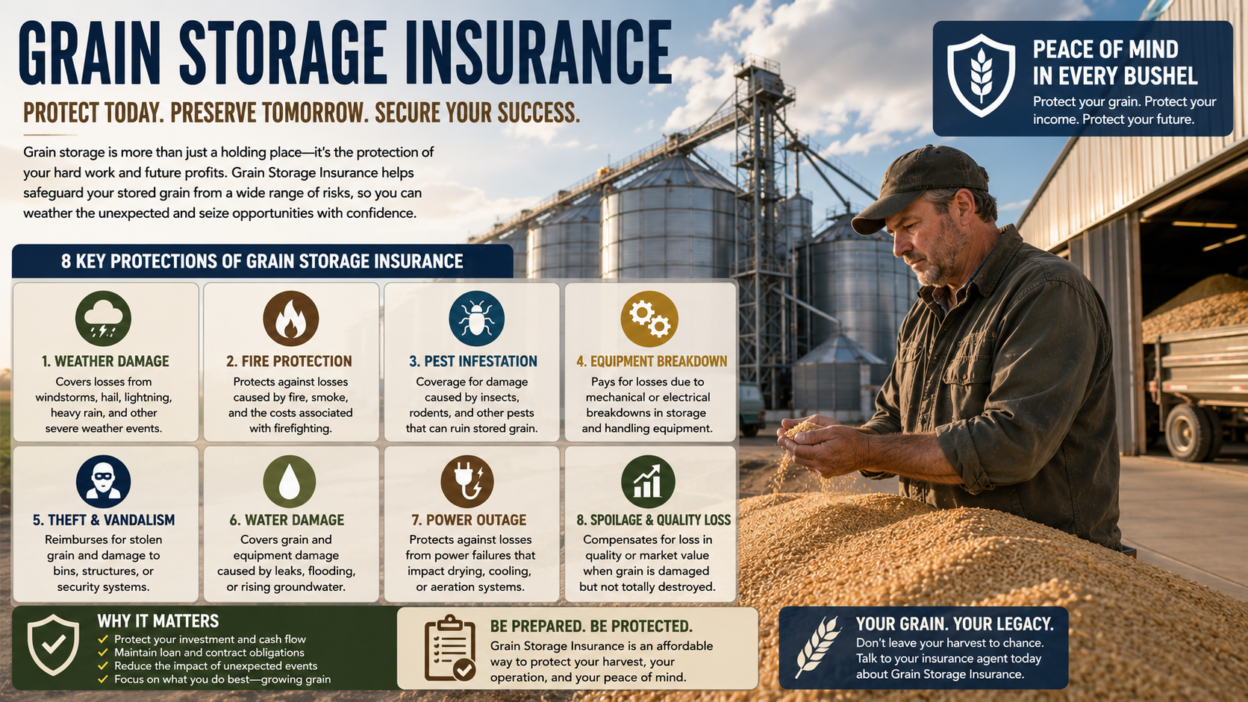
Grain storage is a vital component of agricultural success, transforming harvested crops into stored assets that can be held until market conditions are favourable. However, with fluctuating weather patterns, pests, and potential mechanical failures, the risks associated with stored grains become evident. This is where Grain Storage Insurance steps in as an essential safeguard. Farmers and grain producers should consider this insurance to protect their investments from unforeseen losses. With the right coverage, you can not only secure your stored crops but also gain peace of mind, knowing you are prepared for whatever challenges may arise. Let’s explore eight key protections offered by Grain Storage Insurance that can help fortify your assets and ensure robust recovery options.
Key Points
- Protection against loss from fire or natural disasters.
- Coverage for damage caused by pests and insects.
- Compensation for mechanical failure of storage equipment.
- Financial relief in the event of theft or vandalism.
- Protection against spoilage due to humidity or temperature fluctuations.
- Coverage for transportation and handling accidents.
- Liability protection in case of third-party claims.
- Flexibility to customise policies to meet specific needs.
Related content:
Revenue Protection vs Yield Protection Crop Insurance
Understanding the Importance of Grain Storage Insurance
Grain storage is a crucial aspect of agriculture, yet it comes with inherent risks. Grain Storage Insurance serves as a vital safety net for farmers and agribusiness owners, helping to mitigate potential financial losses arising from unforeseen events. Without proper coverage, one could face devastating consequences from spoilage, theft, or natural disasters. Therefore, grasping the significance of this insurance can aid in making informed decisions.
Consider the following key benefits of Grain Storage Insurance:
- Coverage for losses: It typically covers losses due to perils such as fire, pest damage, and moisture issues.
- Financial protection: It provides peace of mind, ensuring that unexpected events won’t threaten your livelihood.
- Industry compliance: Some states or financial institutions may require proof of insurance for grain storage facilities.
In conclusion, investing in Grain Storage Insurance not only safeguards valuable assets but also supports resilience in an unpredictable market.
You can also check these out.:
Key Risks Covered by Grain Storage Insurance Policies
Grain Storage Insurance serves as a critical safety net for farmers and grain handlers alike. The policies typically cover diverse risks that can jeopardise stored grain. For example, Grain Storage Insurance often protects against damage from natural disasters such as floods and fires, which can occur unexpectedly and have devastating effects. Additionally, pests and spoilage from inadequate storage conditions pose significant risks; therefore, many policies include provisions for these threats.
However, it’s not just environmental factors at play. Theft and vandalism are unfortunate realities in agricultural settings, often overlooked until it’s too late. Hence, comprehensive Grain Storage Insurance policies should address these concerns as well. Despite the efforts to mitigate risks, uncertainties persist, making insurance an indispensable tool for safeguarding valuable investments. Ultimately, adequate coverage not only aids in recovery but also provides peace of mind, ensuring that grain handlers can focus on their operations.
How to Evaluate Your Grain Storage Insurance Needs
Assessing your Grain Storage Insurance requirements involves a nuanced understanding of several factors. Begin by considering the type and volume of grain you’re storing, as these elements can significantly influence your insurance coverage. Accurate assessments of potential risks, such as pests, weather-related damage, or equipment failure, are crucial. Therefore, maintaining detailed records of your inventory can provide invaluable insights into the vulnerabilities specific to your operation.
Next, consult with your insurance provider to identify any gaps in coverage. Some policies may not fully address all potential risks, which could leave you exposed. It’s essential to weigh the cost of premiums against the value of your stored grain. In doing so, you can better understand how a tailored Grain Storage Insurance policy can safeguard your investment. Ultimately, regularly reviewing and adapting your coverage ensures that your needs are continuously met.
Lastly, don’t underestimate the importance of expert advice—connecting with professionals can offer perspectives you might not have considered. With this comprehensive approach, you’ll be well-equipped to make informed decisions about your Grain Storage Insurance needs.
Top Features to Look for in Grain Storage Insurance Coverage
When seeking Grain Storage Insurance, it’s essential to focus on key features that safeguard your assets. Firstly, consider the extent of coverage; policies should cater to various risks including theft, fire, and natural disasters, because unexpected events can occur at any time. Additionally, examine liability protection, which can shield you against claims resulting from incidents involving your storage facilities.
Important Considerations:
- Coverage Limits: Ensure that the policy covers the total value of stored grain.
- Environmental Risks: Look for clauses that address humidity and pest damage.
- Premium Costs: Compare options, as costs can fluctuate significantly between providers.
It’s crucial to carefully evaluate the fine print of each policy. This often contains details about exclusions and specific conditions that could affect your coverage. Ultimately, a thorough understanding of your Grain Storage Insurance will enable you to make informed decisions, ensuring your investment remains protected.
Comparing Grain Storage Insurance Providers: What You Need to Know
When exploring Grain Storage Insurance options, it’s essential to evaluate several factors before making a decision. Not all providers offer the same level of coverage or approach to risk assessment. Some may prioritise the quality of storage facilities, while others focus on the type of grains insured. Therefore, conducting thorough research becomes imperative.
Key Considerations
Pricing structures can vary significantly, often reflecting the level of service and reliability a provider offers. In my opinion, it’s wise to read customer reviews to gauge satisfaction levels. Additionally, examine the claims process closely—an efficient system can save time and stress during critical times. If possible, engage in discussions with industry peers to discern their experiences and recommendations. Understanding these nuances will help you select the most suitable Grain Storage Insurance provider for your needs. Remember, the right decision today could safeguard your investments tomorrow.
Lastly, be mindful of policy terms; they may include exclusions that affect coverage outcomes, especially in unforeseen circumstances. This careful consideration is crucial for effective risk management.
The Role of Climate Control in Grain Storage Insurance Policies
Climate control significantly impacts the viability of grain storage, directly influencing Grain Storage Insurance policies. Maintaining optimal temperature and humidity levels can reduce spoilage and pest infestations, which are common concerns for grain producers. Therefore, insurers often factor these conditions into their assessments.
By investing in adequate climate control systems, farmers can demonstrate risk mitigation that might lead to lower premiums. However, this investment isn’t always straightforward; the cost of installation and maintenance can be challenging for smaller operations.
“Effective climate management is not just an operational feature; it’s an insurance strategy.”
Moreover, policies may stipulate specific climate standards affecting coverage. Additionally, insurers may offer incentives for those who adopt advanced climate technologies, encouraging a proactive rather than reactive approach to Grain Storage Insurance.
Ultimately, the connection between climate control and insurance coverage underlines the importance of safeguarding grain products through comprehensive risk management.
Navigating Exclusions and Limitations in Grain Storage Insurance
Grain storage insurance can provide vital protection for farmers and grain operators. However, navigating the exclusions and limitations within these policies can be complex and sometimes confusing. Understanding what is not covered is crucial because it can significantly impact your financial security. Some common exclusions include:
- Natural Disasters: Many policies do not cover losses from floods or earthquakes, which can severely affect stored grain.
- Pest Infestation: Damage from pests may also be excluded unless specific riders are purchased.
- Negligence: If the grain was improperly stored, insurers might deny claims based on perceived negligence.
Consequently, it is essential to thoroughly review the terms of your Grain Storage Insurance policy. Additionally, consulting with an insurance expert can clarify these nuances. By being proactive, you may prevent unexpected surprises in the event of a loss.
Claim Process: What to Expect When Filing for Grain Damage
Filing a claim for grain damage can be a meticulous process, yet understanding the steps involved can simplify your experience. Initially, gather all relevant documentation, including your Grain Storage Insurance policy and any evidence of damage. This might include photos or assessments from agricultural experts. Next, contact your insurance provider to report the damage; they will guide you on the necessary forms to complete and any specific information required.
Once your claim is submitted, an adjuster may visit your site to assess the conditions of your storage facilities. Therefore, it’s crucial to maintain clear communication throughout this stage. Bear in mind that processing times can vary significantly; hence, patience is often required. Ultimately, understanding the claim process can significantly ease the anxiety associated with financial losses linked to grain storage mishaps, ensuring you remain prepared and supported during these challenging times.
Enhancing Your Grain Storage with Risk Management Strategies
Effective risk management is crucial for optimising grain storage operations. By implementing robust strategies, you can mitigate potential losses caused by unforeseen events. For instance, regularly inspecting storage facilities helps identify vulnerabilities, ensuring you address them before they escalate. Furthermore, incorporating Grain Storage Insurance provides a safety net against unpredictable market fluctuations and environmental hazards. Therefore, staying informed about the latest industry trends can guide your decisions and protect your investments.
Moreover, consider diversifying your storage techniques. This approach not only spreads risk but also maximises efficiency across different storage types. Nevertheless, it’s vital to periodically review your insurance policies, including Grain Storage Insurance, to ensure they align with your evolving needs. Ultimately, a proactive stance towards risk management can enhance your grain storage solutions and reinforce the resilience of your operation.
In summary, carefully assessing risks while leveraging insurance options may prove advantageous for safeguarding your grain storage interests.
The Future of Grain Storage Insurance: Trends and Predictions
As the agricultural landscape evolves, so too does the realm of Grain Storage Insurance. Future trends indicate a shift towards increased digitalisation, with technology enhancing risk assessment and management. Moreover, climate change poses new challenges, necessitating innovative insurance products that address unique risks, such as extreme weather events. In this dynamic environment, insurers will likely adapt coverage models to better fit the needs of farmers, offering more tailored solutions.
Additionally, sustainability initiatives may bring new regulatory requirements, influencing how Grain Storage Insurance policies are structured. However, the actual implementation of these changes might vary, leading to potential gaps in coverage or unexpected complexities for policyholders. To navigate this uncertain landscape, stakeholders should consider key factors:
- Technological advancements: Enhancing data analysis for risk management.
- Climate adaptation: Developing policies for an unpredictable future.
- Sustainability focus: Responding to new regulations and market demands.
As a result, while the future of Grain Storage Insurance presents exciting possibilities, it also requires careful consideration and proactive engagement from all parties involved.
Conclusion
In conclusion, protecting your grain is essential, and Grain Storage Insurance plays a critical role in safeguarding your investment. By ensuring your assets are covered against potential risks, you can focus on growing your business with confidence. Therefore, understanding the nuances of your insurance options empowers you to make informed decisions that align with your needs. This knowledge not only helps mitigate losses but also fosters peace of mind, allowing you to navigate challenges without added stress. Ultimately, prioritising proper insurance can prove invaluable to the longevity and success of your agricultural ventures.
Frequently Asked Questions
What is grain storage insurance?
Grain storage insurance is a type of insurance policy that protects grain producers and storage facilities against financial losses due to damage, theft, or contamination of stored grain.
Why do I need grain storage insurance?
You need grain storage insurance to safeguard your investment in grain. It helps mitigate risks associated with unforeseen events like natural disasters, fire, or pests that can damage your stored grain.
What types of coverage are typically included in a grain storage insurance policy?
A typical grain storage insurance policy may include coverage for fire, flood, theft, spoilage, and liability for damage to third parties, as well as business interruption coverage.
How is the premium for grain storage insurance calculated?
The premium is calculated based on several factors, including the value of the grain stored, the type of coverage selected, the storage facility’s risk profile, and local market conditions.
Is grain storage insurance required by law?
Grain storage insurance is not typically required by law, but it may be a requirement of lenders or investors, particularly if the grain is being used as collateral.
How can I choose the right grain storage insurance policy?
To choose the right policy, assess your specific storage needs, evaluate different insurance providers, compare coverage options, and consult with an insurance broker who specialises in agricultural insurance.
What should I do if I need to file a claim?
If you need to file a claim, notify your insurance provider as soon as possible, document the damage with photographs, and provide any necessary evidence or records to support your claim.
Can I insure grain that is stored off-site?
Yes, many grain storage insurance policies can extend coverage to grain stored off-site, but you will need to discuss the specifics with your insurance provider.
Are there any exclusions in grain storage insurance policies?
Yes, common exclusions may include losses due to poor management practices, inherent vice (natural defects in the grain), and certain types of damage such as wear and tear.
How often should I review my grain storage insurance policy?
You should review your grain storage insurance policy annually or whenever there are significant changes in your operations, such as increased stored grain volume or changes in storage facilities.


